
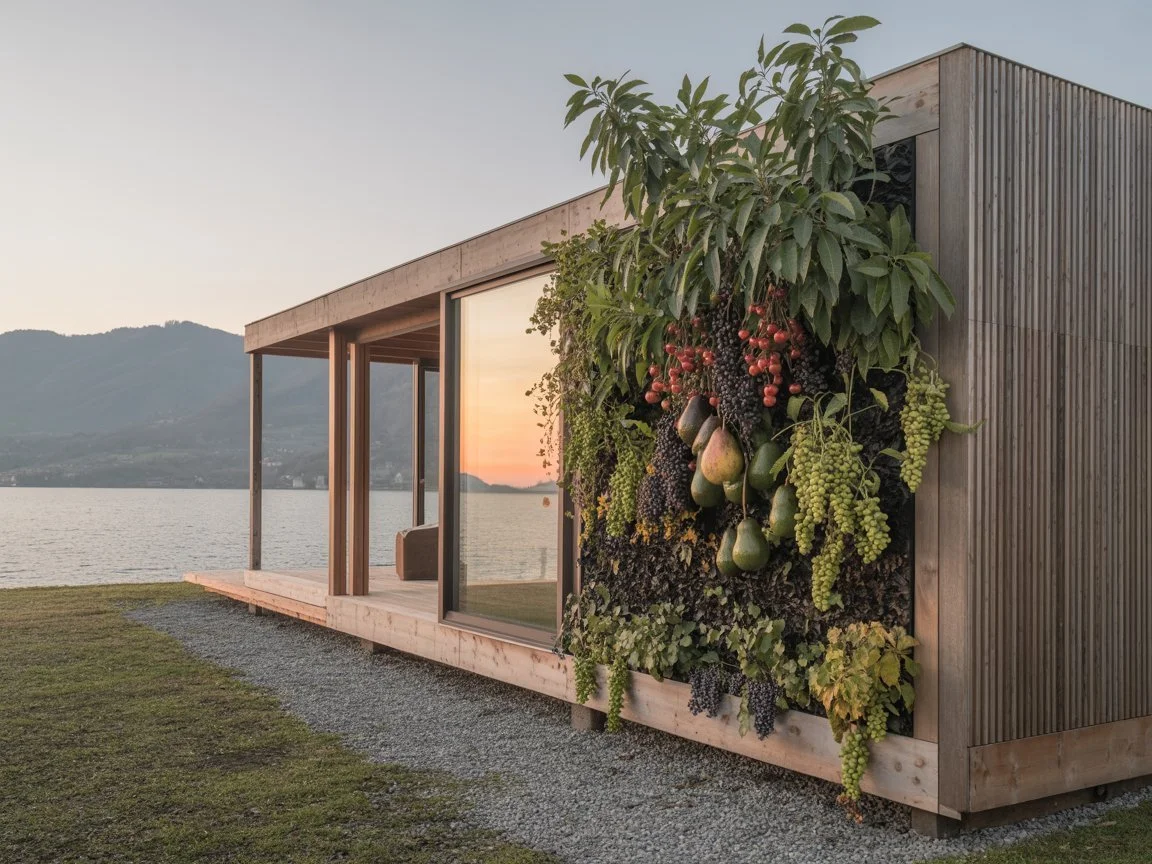
Architecture as Ecosystem - Permaculture Principles
A house built on permaculture principles and five-element philosophy. Food grown at the door, warmth collected from the sun, water returned to the land. Architecture as a way of living well.
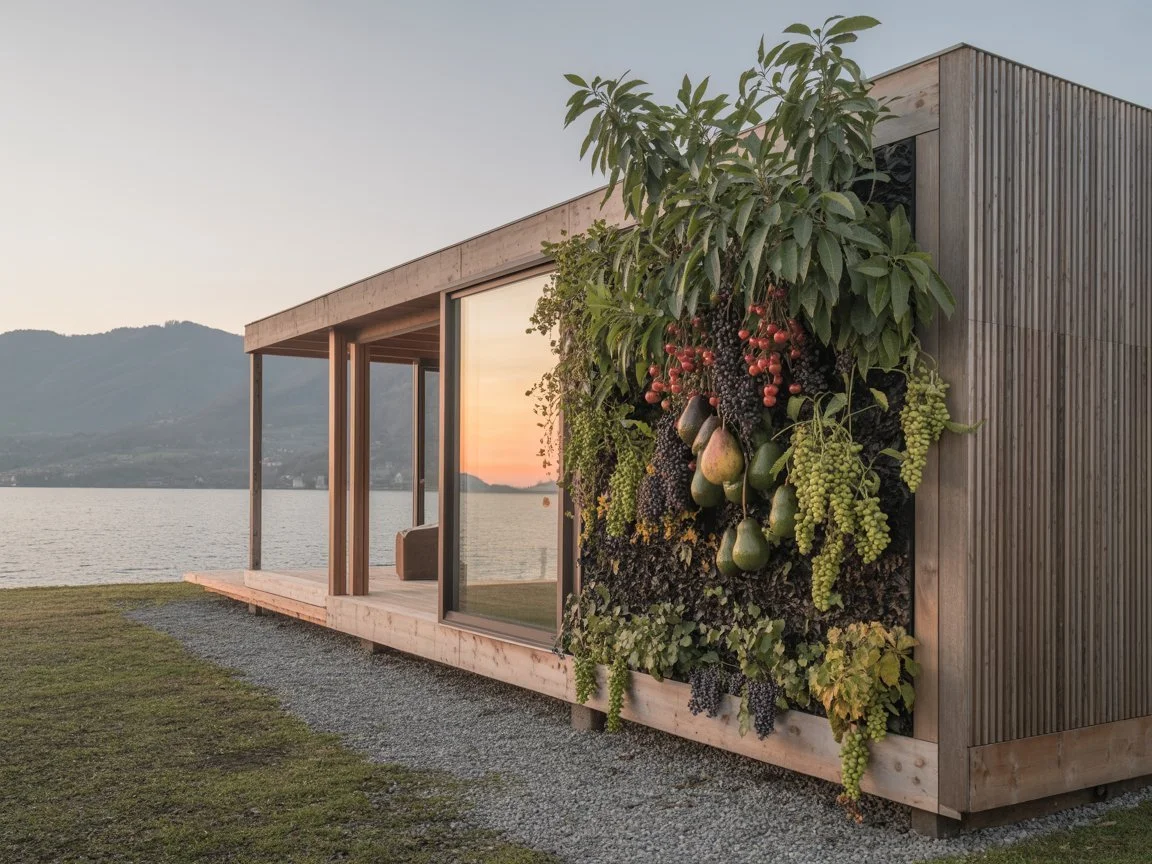
Wood, fire, metal, earth, water. Five elements. One house. A permaculture garden, a natural pool, a solar greenhouse. A life measured not in consumption, but in what the land gives back.
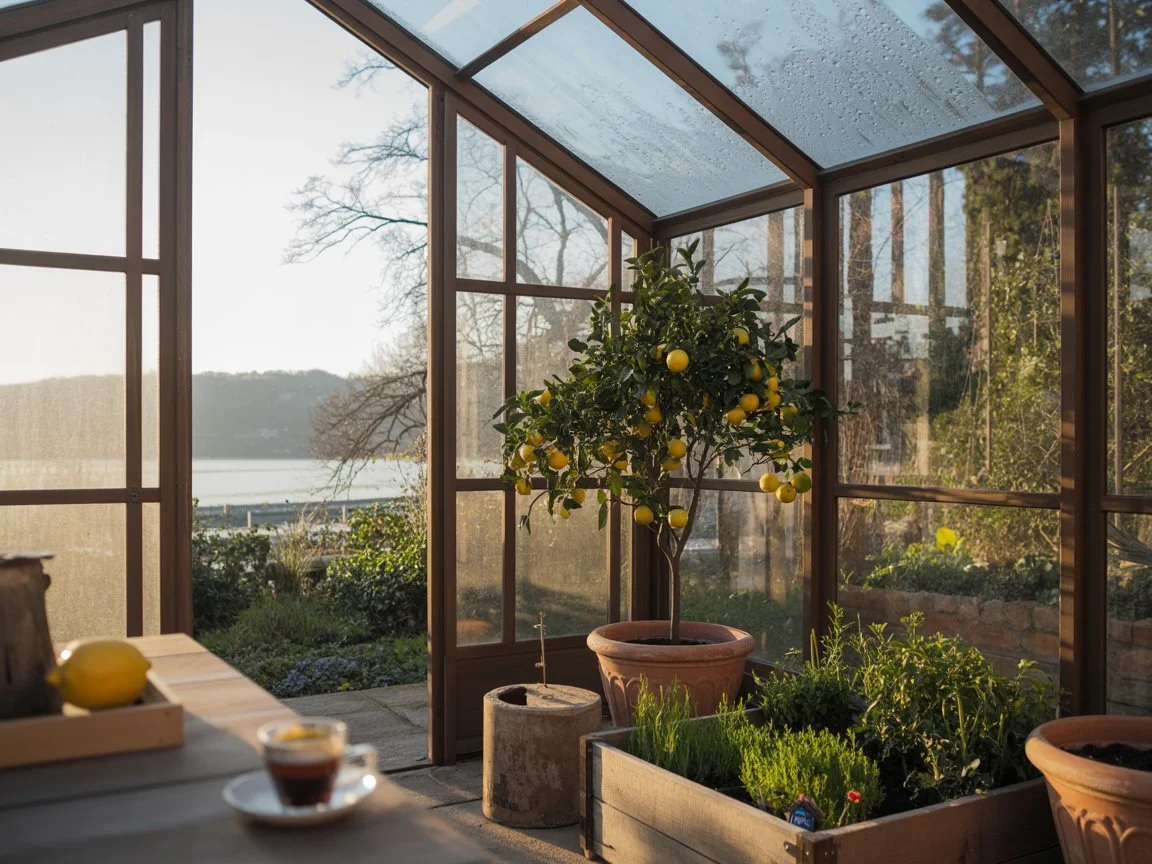
There is an old Italian idea that the good life costs nothing extraordinary. A morning in winter light. A lemon picked before coffee. The sound of water in a garden. La Dolce Vita was never about excess; it was always about sufficiency arranged beautifully.
The project begins with permaculture, a design methodology rooted in three ethics: care for the earth, care for people, and fair share. These are not abstract principles. In the context of a self-built house, they become direct decisions: how the building sits on the land, how it manages its water, where its materials come from, and what it gives back over time. Permaculture reduces unnecessary labour. It designs systems that largely take care of themselves, and in doing so, it returns something most architecture inadvertently steals: time.
“La Dolce Vita rewritten in timber, soil and rainwater.”
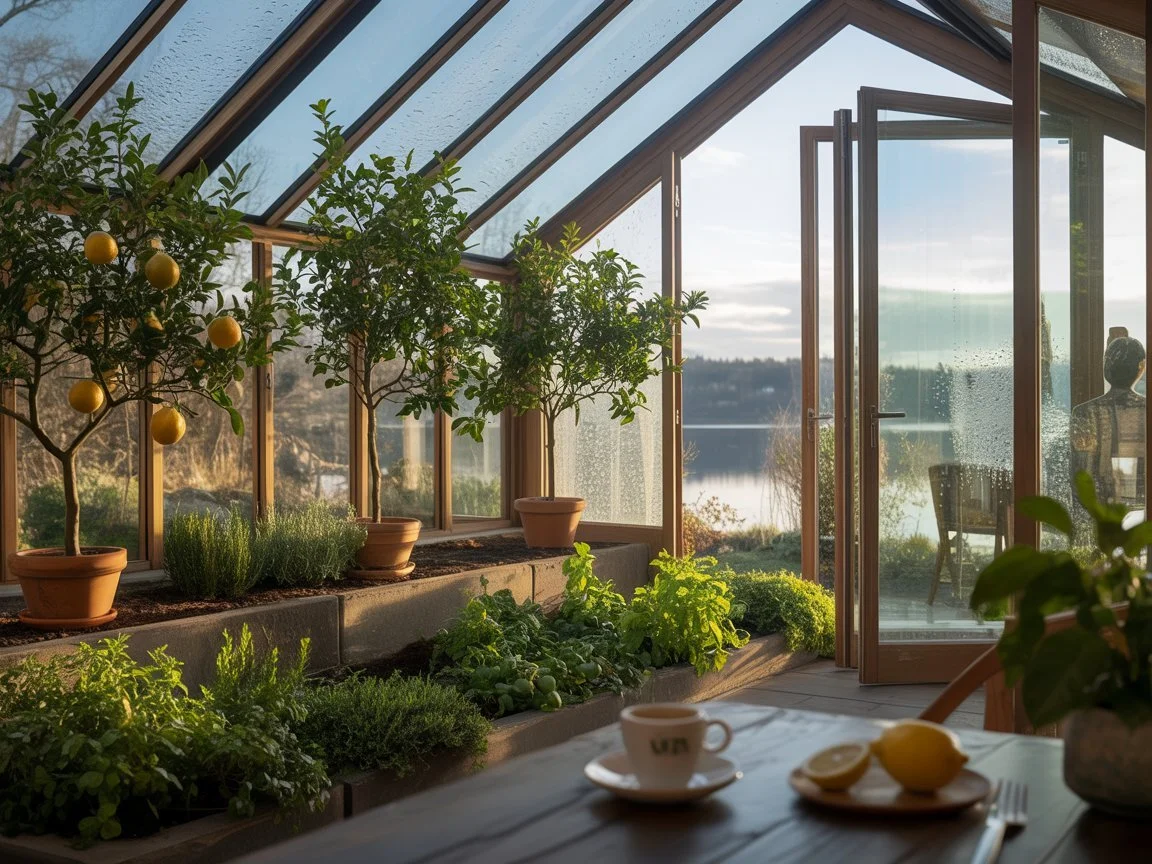
Two frameworks govern the project: permaculture, with its three core ethics of earth care, people care and fair share, and the five-element philosophy of Wood, Fire, Metal, Earth and Water.
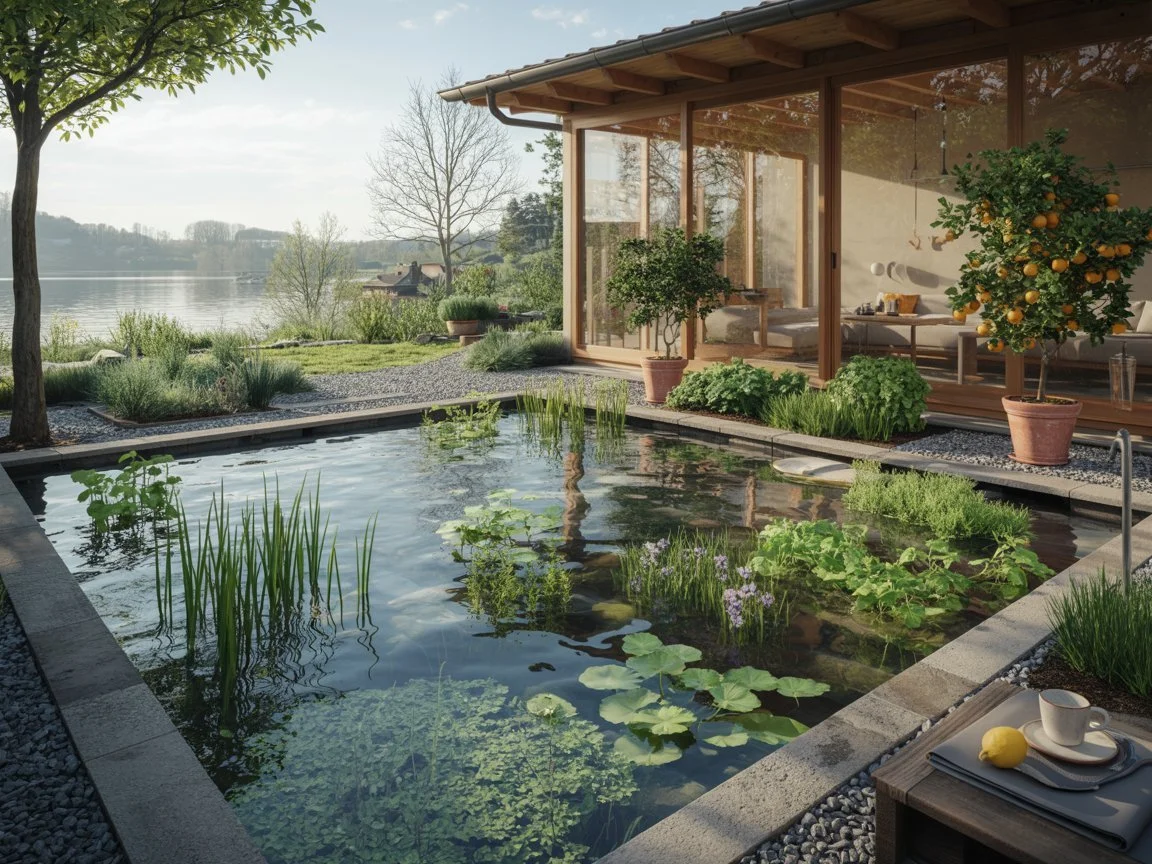
Layered over this ecological intelligence is the philosophy of the five elements, Wood, Fire, Metal, Earth and Water. This is not decoration. It is a structural lens for understanding how a building breathes, how its materials relate to one another, and how a home becomes part of a cycle rather than a disruption of one.
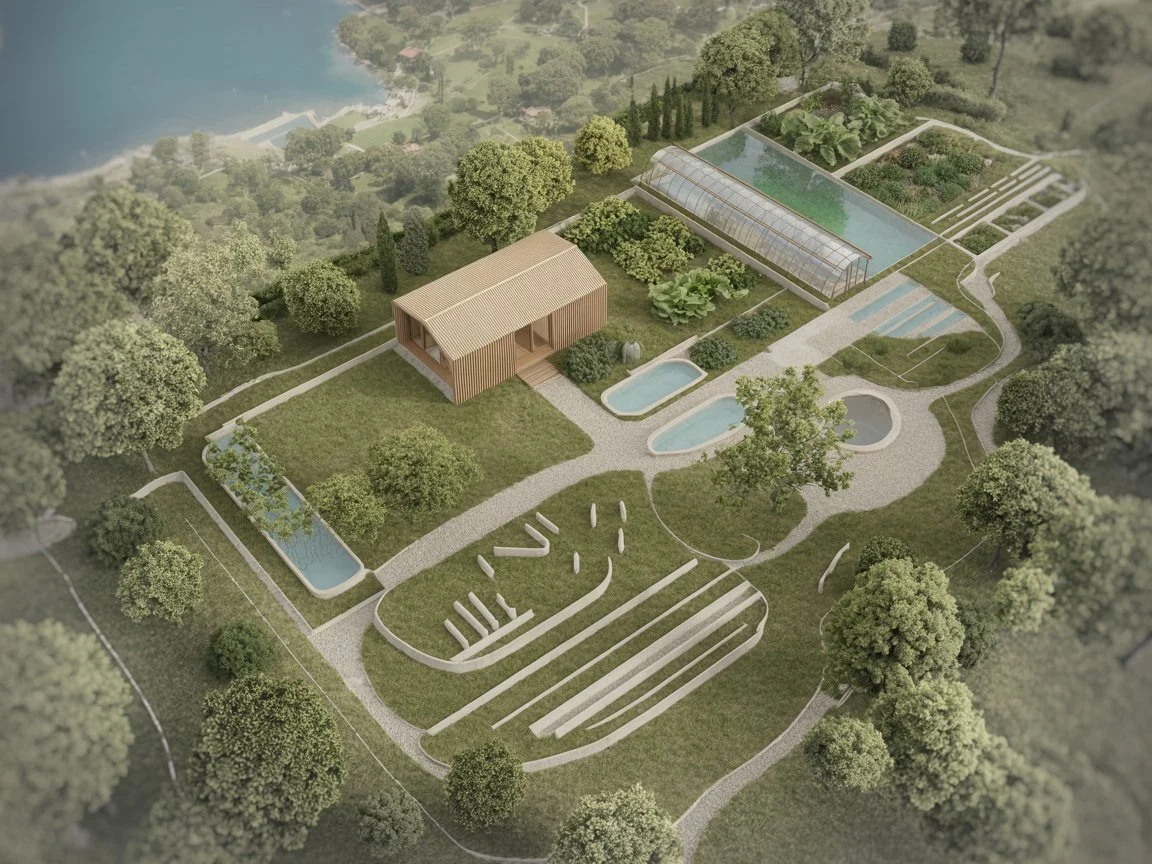
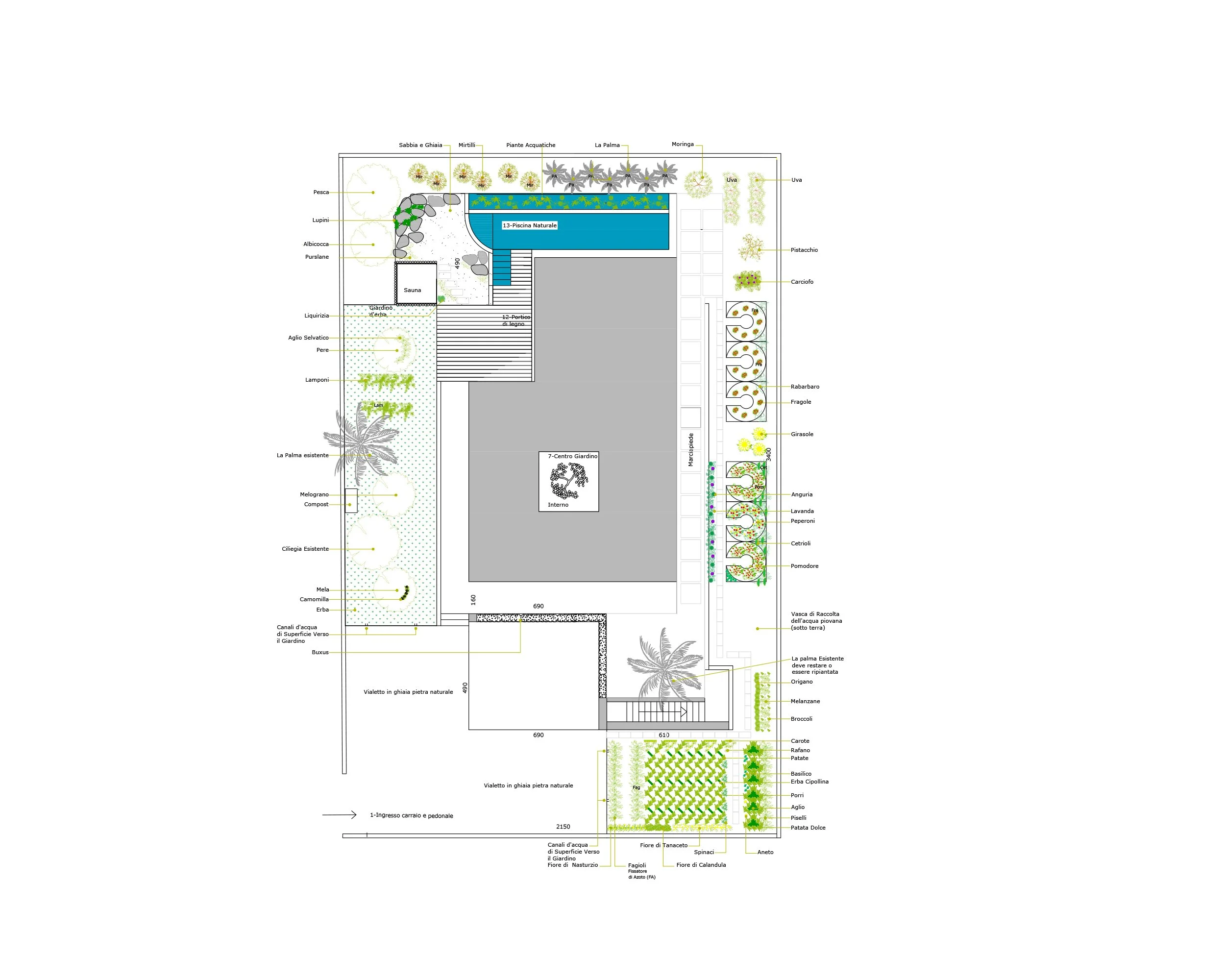
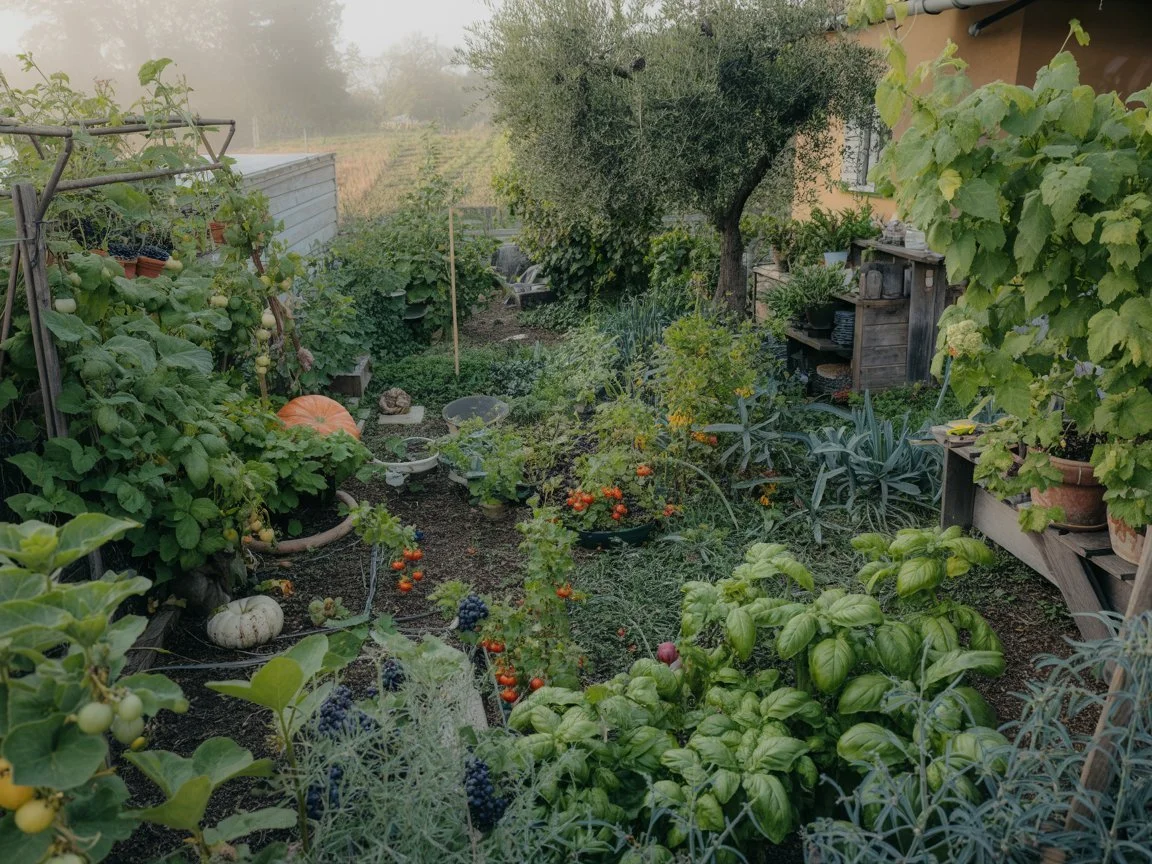
Wood arrives first, as it always does in living systems. Here it appears as timber framing, interior finish and structural logic, but also as the vertical food forest planted along the garden's south-facing elevation. Avocado, cherry, apricot, pear, apple. Blueberries in repeated rows. Pomegranate, pistachio, moringa, grape. These are not ornamental choices. They are a food system, a microclimate buffer and a visual argument for what a garden wall could be.
Fire follows: the energy that warms and transforms. In this house, fire is captured before it is burned, held in solar panels and the Serra Solare Bioclimatica, an internal greenhouse that traps winter sun and circulates warmth through the building. To sit inside it in January, among citrus and herbs, with the lake visible through glass, is to understand that passive solar design is also, at its best, a form of pleasure.
Metal holds the structure together: the pipes, the electrical systems, the tools, the roof. It is precision in service of the organic. It channels and conducts. Without it, the more alive elements of the project would have no vessel.
Earth is underfoot and in the walls. Thermal mass regulates temperature without mechanical intervention. The soil itself is a design material, fed by compost, structured for food production and shaped to move water slowly across the land rather than shedding it quickly. A chicken run occupies one corner of the garden, a small daily rhythm of feeding and collecting that reconnects domestic life to natural time.
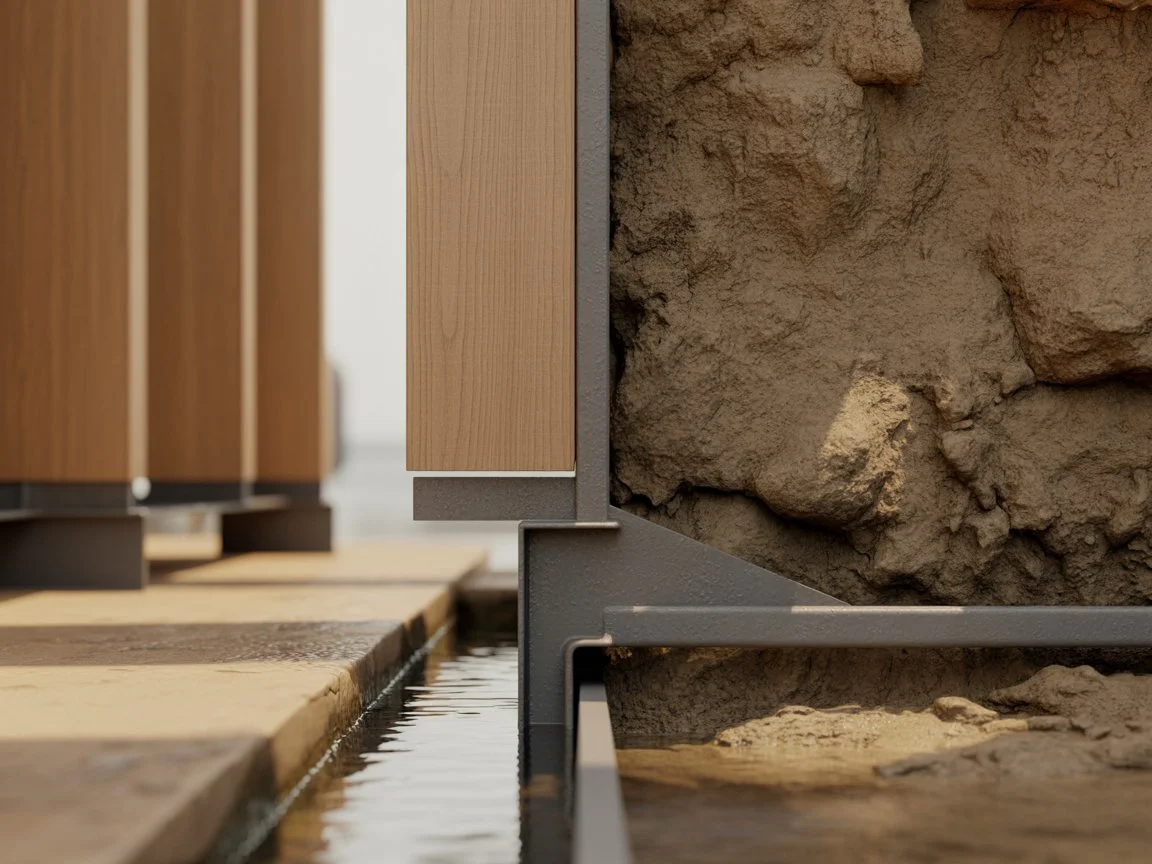
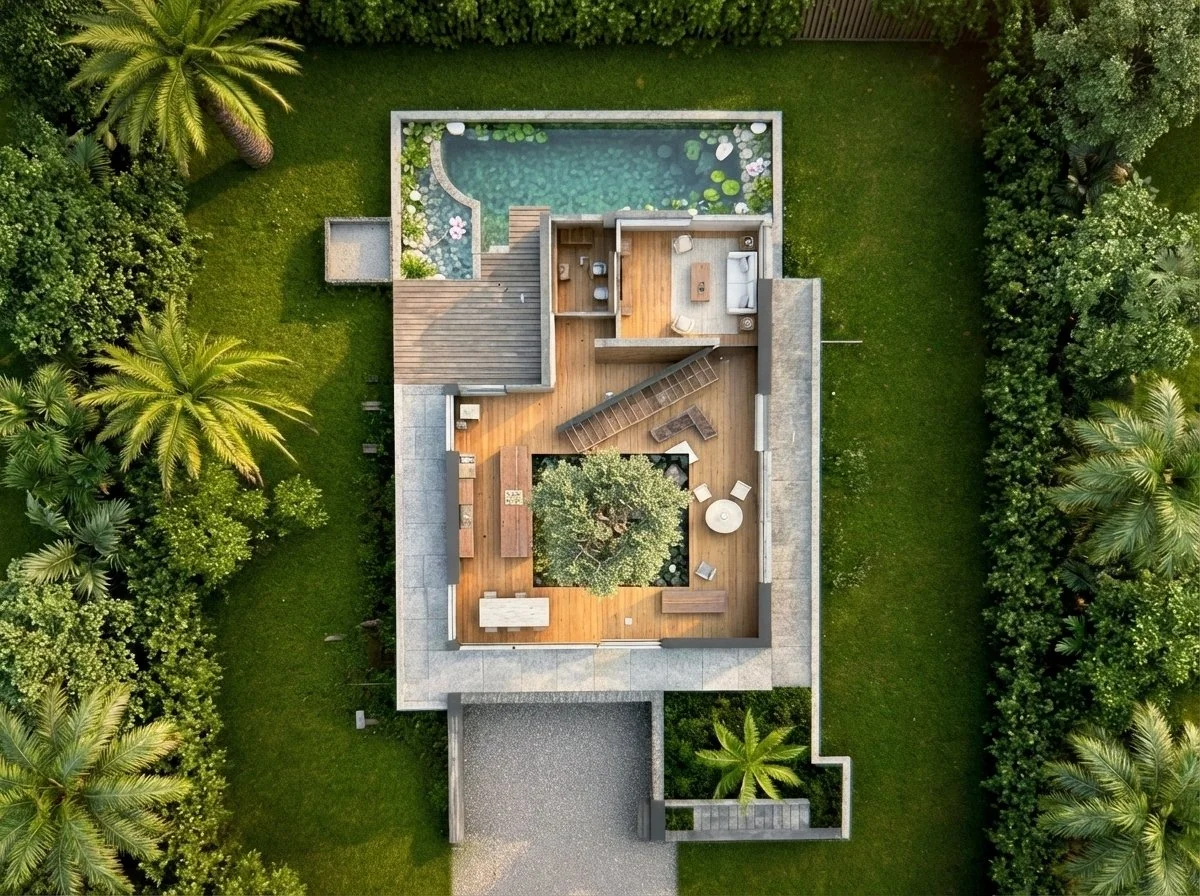
Water is the element that connects everything else. Rainwater is captured from the roof and directed into underground collection tanks, then routed back into the natural pool and the garden. The pool itself is the centrepiece of the outdoor space: a Piscina Naturale in which aquatic plants, water chestnut, iris, watercress, hornwort and submerged oxygenators do the work that chlorine does in conventional pools. The water is softer. The experience is different in quality, not just chemistry. Around the pool, edible species continue the logic of the garden: you are not beside nature here, you are in it.
Chlorine-free water is softer to swim in. A solar greenhouse is warmer and more fragrant than a radiator.
A food forest is more interesting to walk through than a lawn.
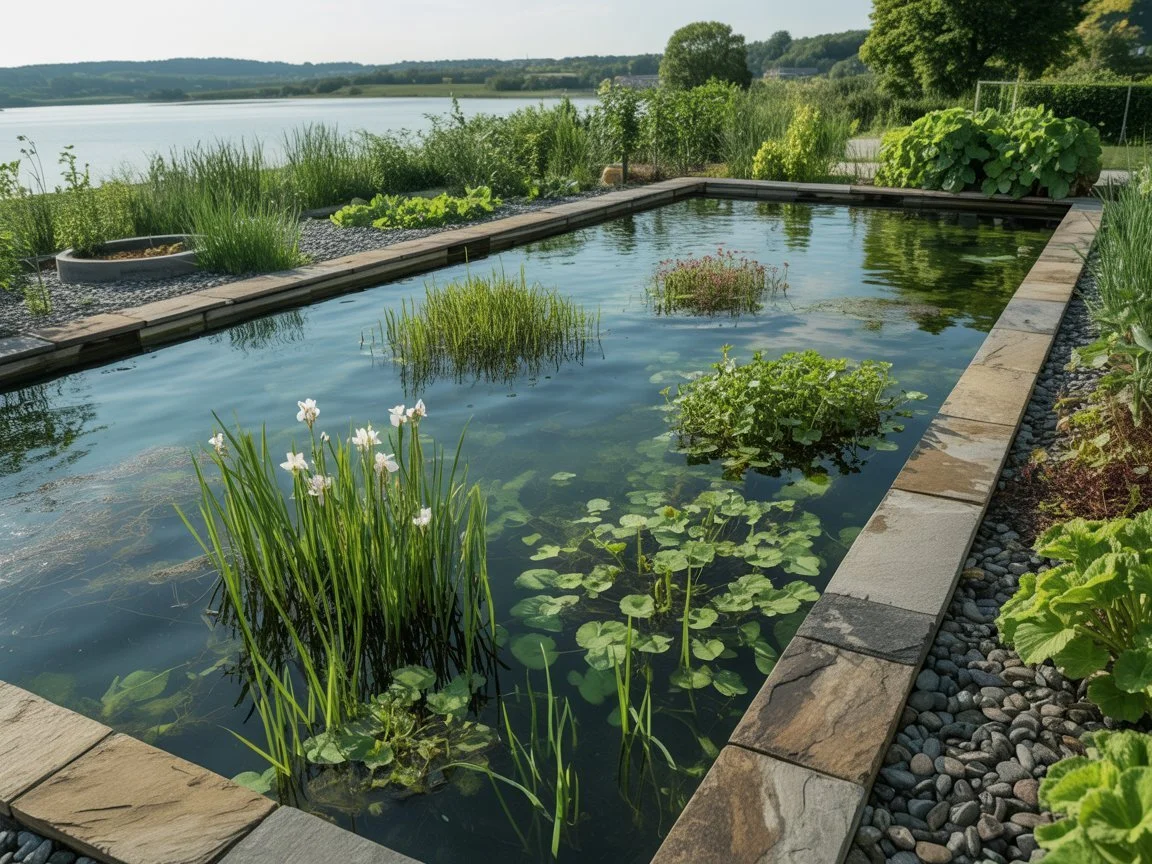
Surface water channels run from the pool zone back toward the garden beds, completing a closed circuit where almost nothing is wasted and almost everything returns.
What this project demonstrates is that ecological architecture need not sacrifice comfort in order to perform its principles. The Serra Solare is not a utility room, it is the most pleasant room in winter. The food forest is not a project, it is a pantry. The natural pool is not a compromise, it is a better pool. At every point, the sustainable choice is also the more beautiful one.
The five-element cycle resolves itself here: wood feeds fire, fire creates ash that returns to earth, earth bears metal, metal enriches water, water nourishes wood. A house is usually a terminus, a place where resources arrive and are consumed. This one is a circuit. Materials move through it. Energy passes through it. Water completes its journey and begins again.
La Dolce Vita, in this reading, is not a mood or a memory from a Fellini film. It is a design specification. It is what happens when architecture takes seriously the idea that how we build determines how we live, and that living well and living lightly are, in fact, the same ambition.
Fire to Water: What the Finnish Sauna Does
In Finland, the sauna is older than most religions and more reliable than most therapies. Five ancient elements. One wooden room. Total reset.
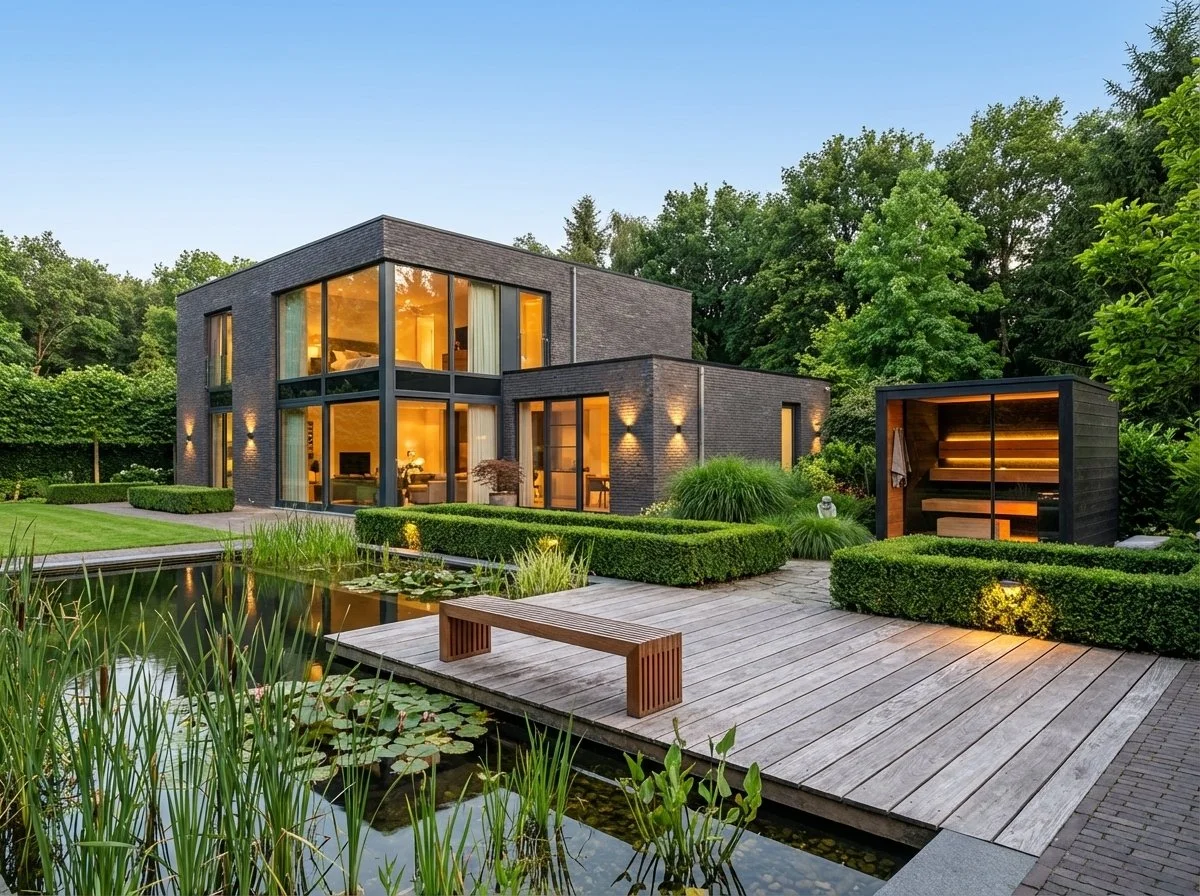
In Finland, the sauna is older than most religions and more reliable than most therapies. Five ancient elements. One wooden room. Total reset.
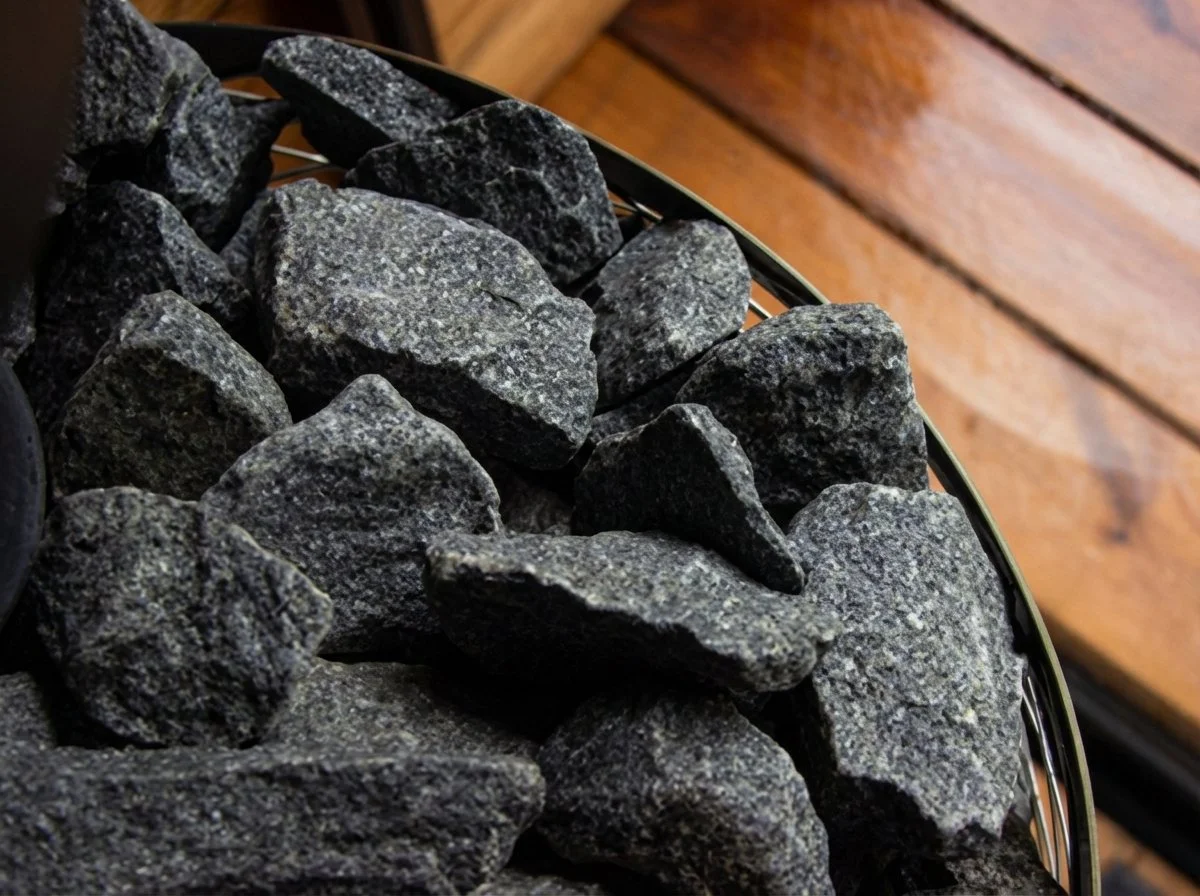
Heat activates. Water releases. Earth steadies. Metal clarifies. Wood renews. The Finnish sauna runs the full spectrum of human feeling in under an hour.
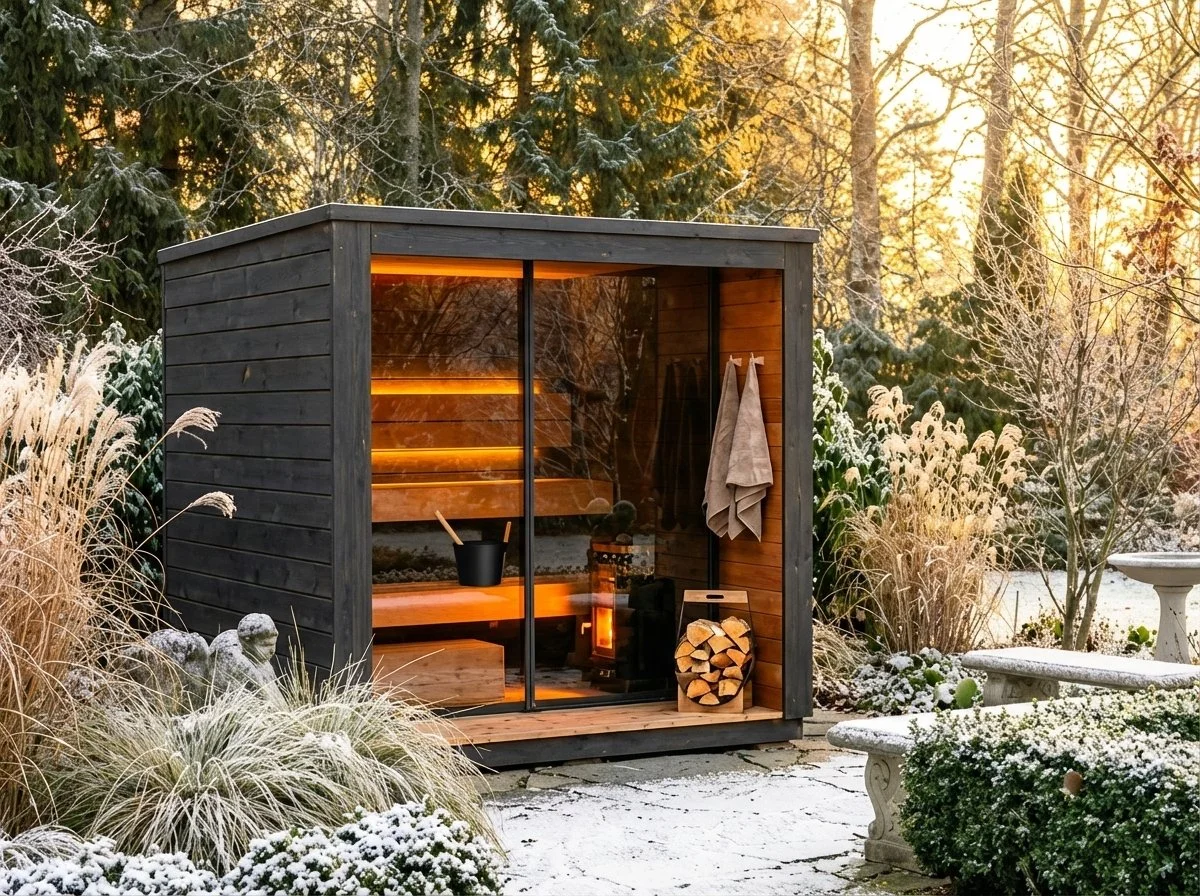
There is a reason Finns say the sauna is the poor man's pharmacy. It is also, quietly, the philosopher's chamber, a place where the body and mind go through something ancient, structured, and complete.
The framework of five elements, Wood, Fire, Earth, Metal, Water, offers a precise language for what happens inside that wooden room. Not metaphor for its own sake. A map.
Fire arrives first. The temperature holds between 70 and 100 degrees Celsius, and within minutes the body responds with something close to alarm, then surrender. The heart rate climbs. Blood vessels open. Sweat starts its slow crawl. And then, oddly, reliably, a feeling of aliveness takes over, almost euphoric, the kind that reminds you the body knows how to wake itself up without caffeine or urgency. Fire is the element of joy and expansion, and it earns that title in the sauna. You feel ignited.
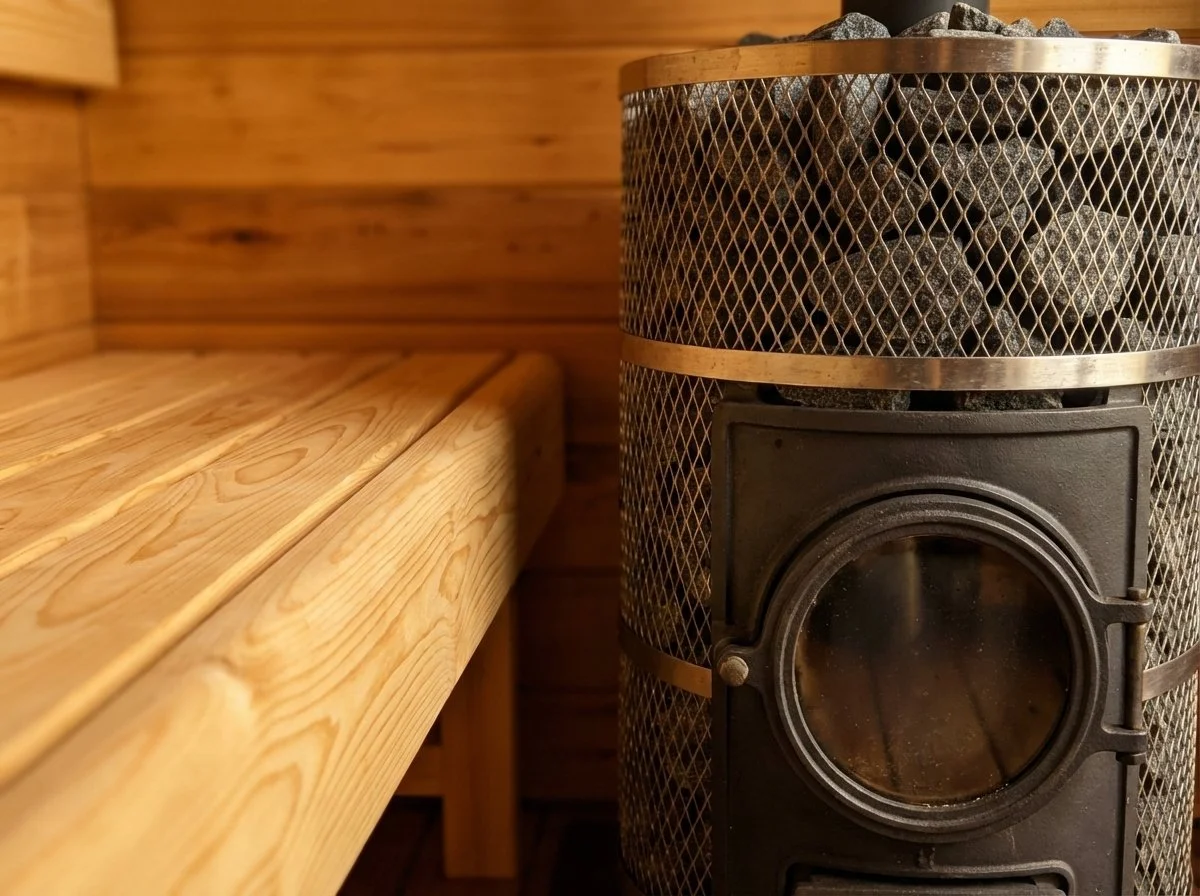
Water enters as counterpoint. The löyly, water poured over hot stones, turns dry heat into something denser, more enveloping. Then, after the heat, the cold plunge. This is where most people either convert or retreat. The shock of cold water on an overheated body is not comfortable. It is, however, clarifying in a way that little else matches. The nervous system resets. Something emotional loosens. People use the word rebirth, and while it sounds theatrical, the physiology supports it: a full contrast cycle of heat and cold produces hormonal and neurological shifts that are genuinely difficult to replicate elsewhere.

Earth is the element of the middle, the quiet passage when the body stops fighting the heat and simply sits inside it. The wooden bench holds you. Gravity feels more present. There is a heaviness that does not feel like fatigue; it feels like being held. Stillness of a particular quality settles in, the kind that comes when the body no longer needs to do anything except be.
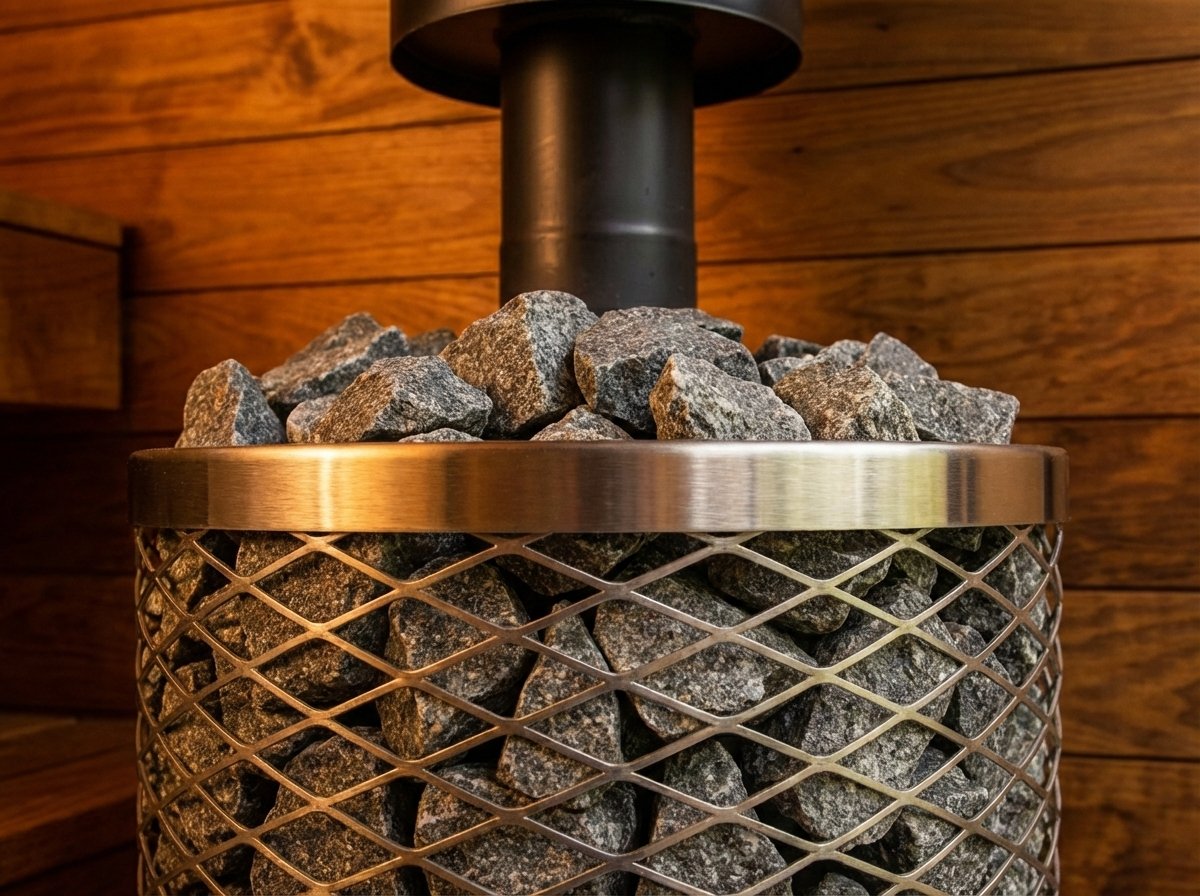
Metal governs breath and release. When the heat deepens, breathing becomes deliberate, slower inhale, longer exhale, and the lungs become the center of attention. The mind, stripped of distraction by the heat and the silence, sharpens into something clearer and quieter. Mental clutter, which had seemed sticky and permanent an hour earlier, becomes optional. Metal is the element of letting go, and the sauna makes that process almost involuntary.
Wood closes the cycle with renewal. The sauna itself is built from it, cedar, pine, birch, and the smell alone signals something regenerative to the nervous system. The traditional vihta or venik, a bundle of birch branches used to gently strike the skin, carries Wood energy directly into the body: fresh, stimulating, alive. After a full session, most people report feeling reset in a way that goes beyond relaxation. Something cellular seems to have shifted.
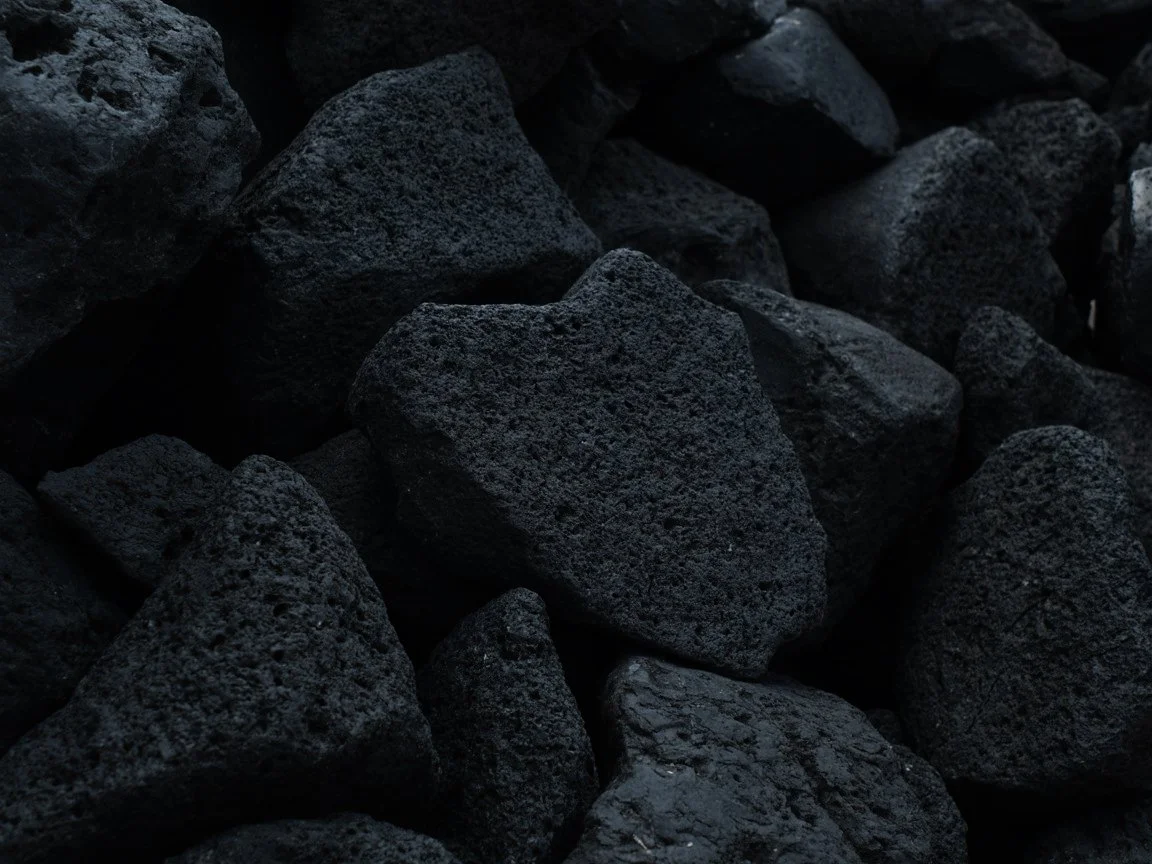
Most traditions of healing operate on one principle at a time. Rest. Sweat. Breathe. Move.
What makes the Finnish sauna remarkable is that it cycles through all five elements in sequence, and the body follows. Wood sets intention. Fire activates. Earth grounds. Metal clarifies. Water cleanses. Then the cycle begins again, as many rounds as the body wants.
The emotional result is specific and unusual. You feel calm and energised at once, not the false alertness of stimulants, and not the dull heaviness of sedation. Grounded and light. Emotionally open in a way that does not feel vulnerable but simply honest. Mentally clear without effort. Few practices do all of this simultaneously. Most wellness rituals push in one direction: relaxation or activation, introspection or release. The sauna, operating through these five elemental forces, holds all directions at once, and in doing so, returns the body to something it already knew how to feel.
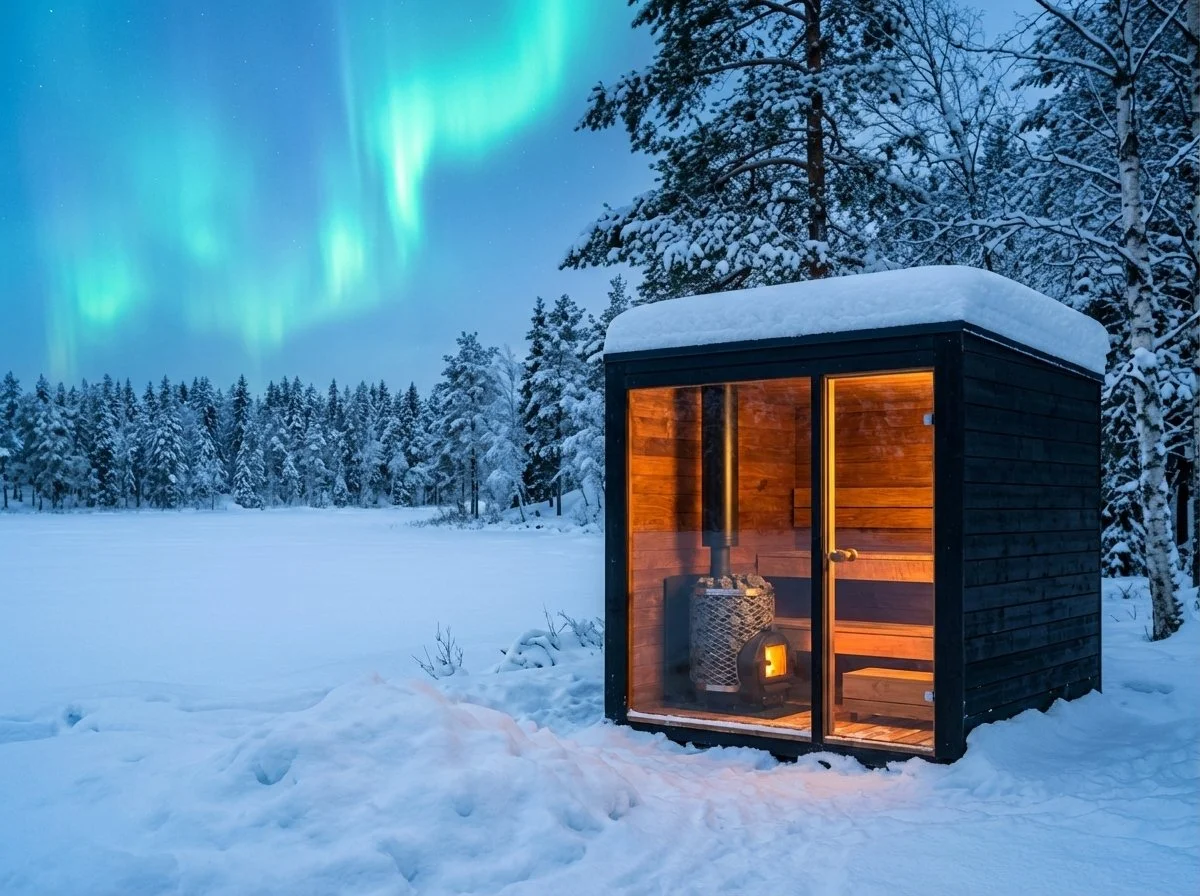
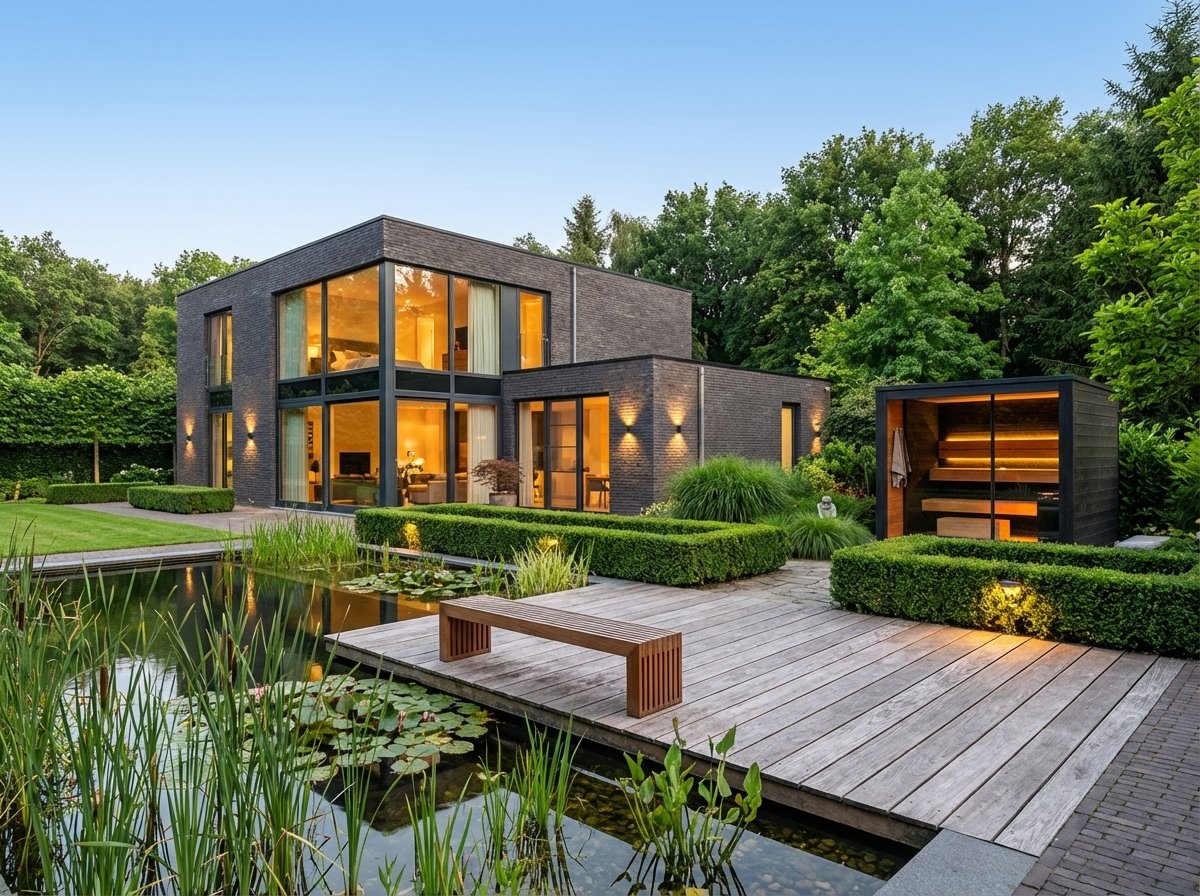
The saunas are courtesy of IHKA sauna. Contact mats.verbrugge@ihkasauna.fi
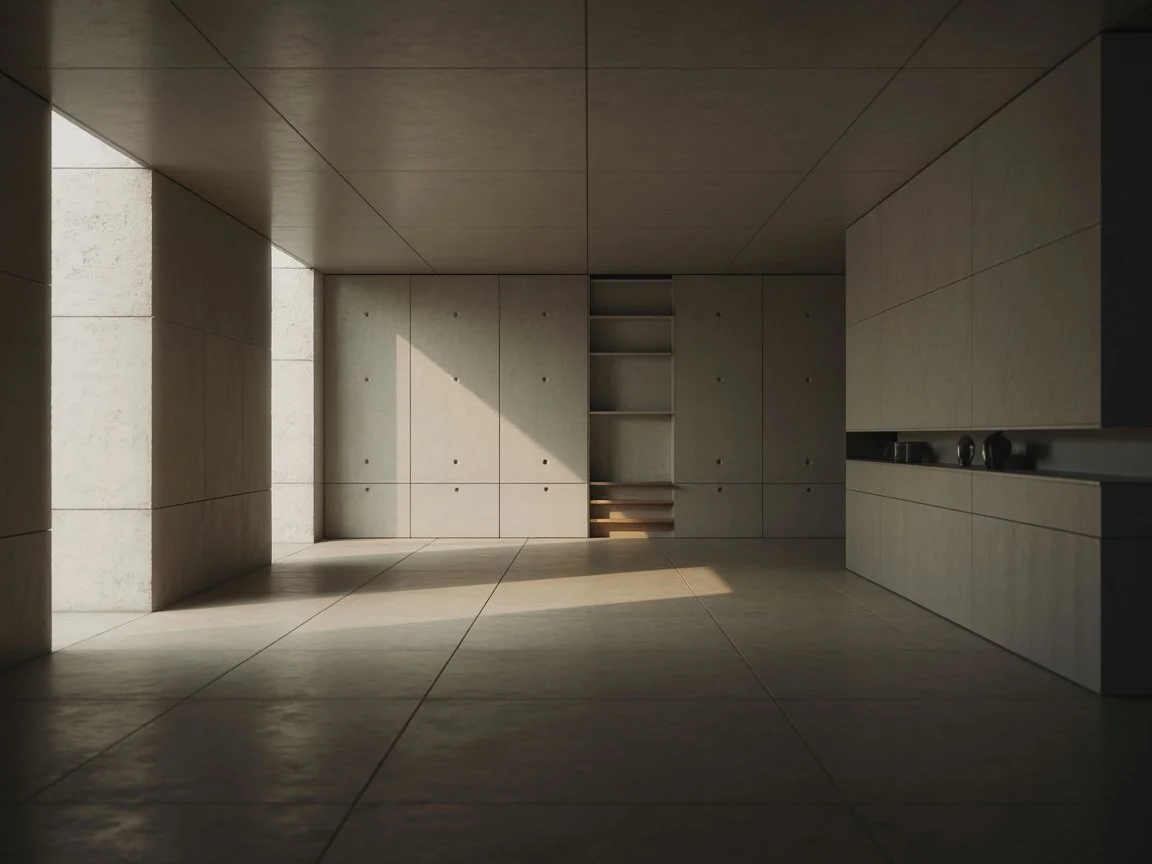
Natural Materials Presence Under Indoor Lighting
Indoor light defines how wood, metal, earth, water, and fire behave inside a home, guiding furniture toward gravity, restraint, and lasting presence.
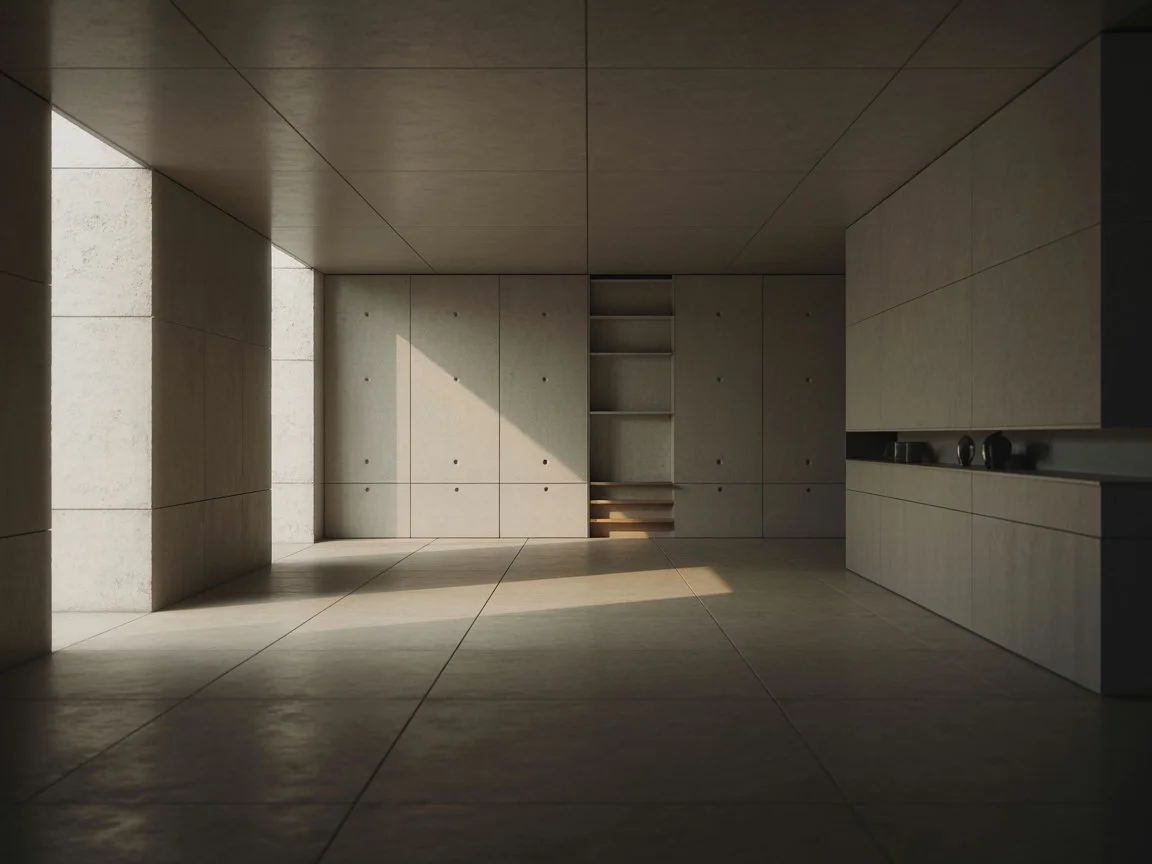
Indoor light defines how wood, metal, earth, water, and fire behave inside a home, guiding furniture toward gravity, restraint, and lasting presence.
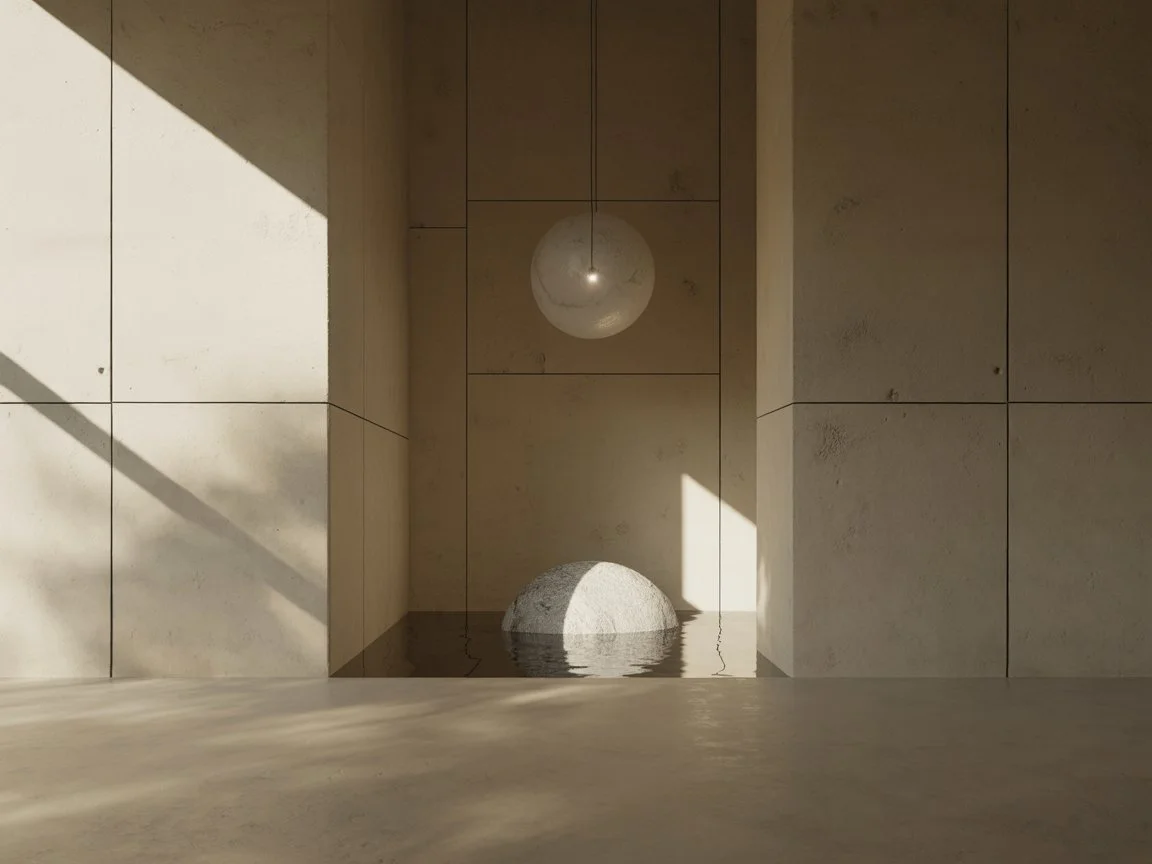
Light inside an indoor space function as more than illumination. It dictates how wall, floor and ceiling materials reveal themselves and how furniture claims its place. When treated seriously, light becomes a structural condition rather than an atmospheric addition.
Natural materials respond to light with precision. Wood absorbs illumination and releases warmth slowly. Its grain appears deeper when light arrives from the side rather than above. Metal reacts immediately, reflecting brightness with severity or restraint depending on surface and angle. Earth based materials darken easily, requiring patience rather than excess brightness. Water extends space through reflection. Fire remains present through warmth, tension, and the memory of heat rather than visible flame.
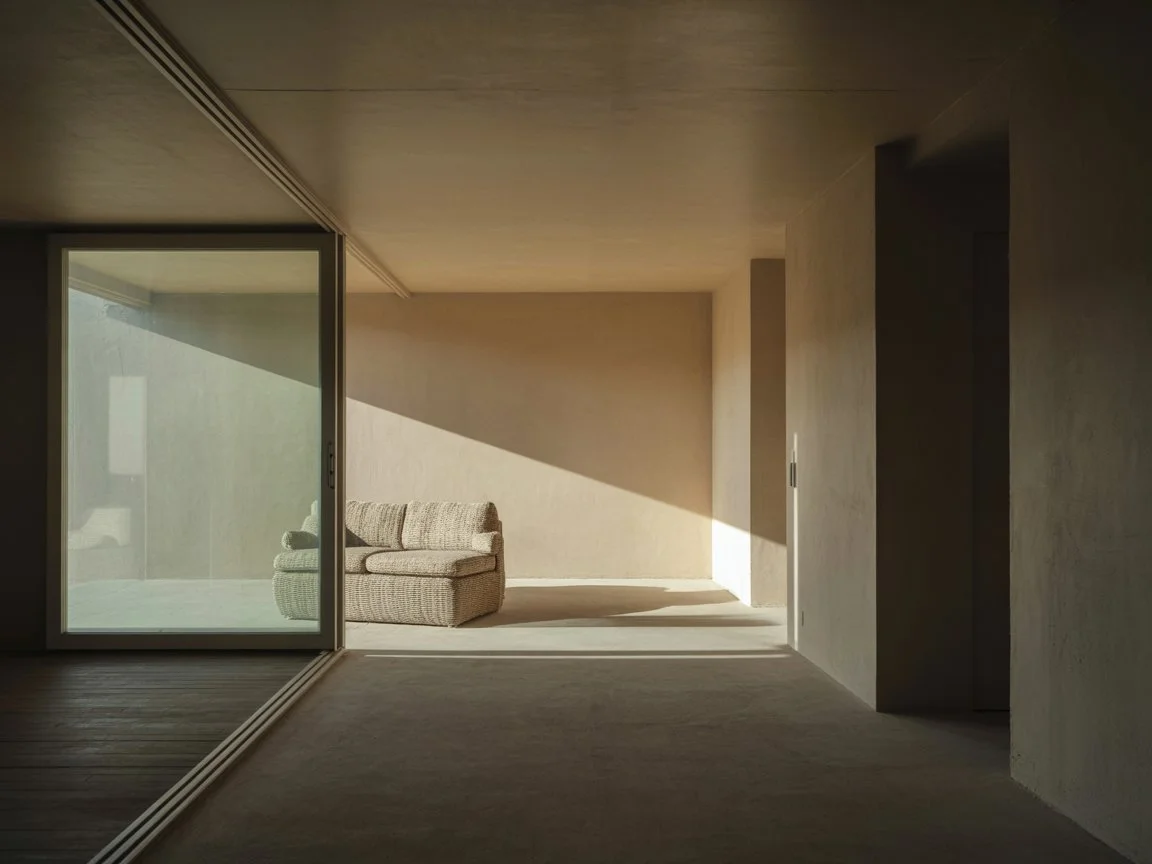
Furniture designed without attention to light often appears disconnected from its environment. Proportions feel arbitrary. Surfaces lose depth. Objects demand attention rather than earning it. When light informs design decisions from the beginning, furniture accepts time, movement, and use without resistance. Indoor lighting defines proportion. A table gains authority when its mass relates to the direction of daylight. Seating requires balance between exposure and shelter. Storage benefits from shadow as much as visibility. Light reveals joints, edges, and construction choices with honesty. Nothing hides.
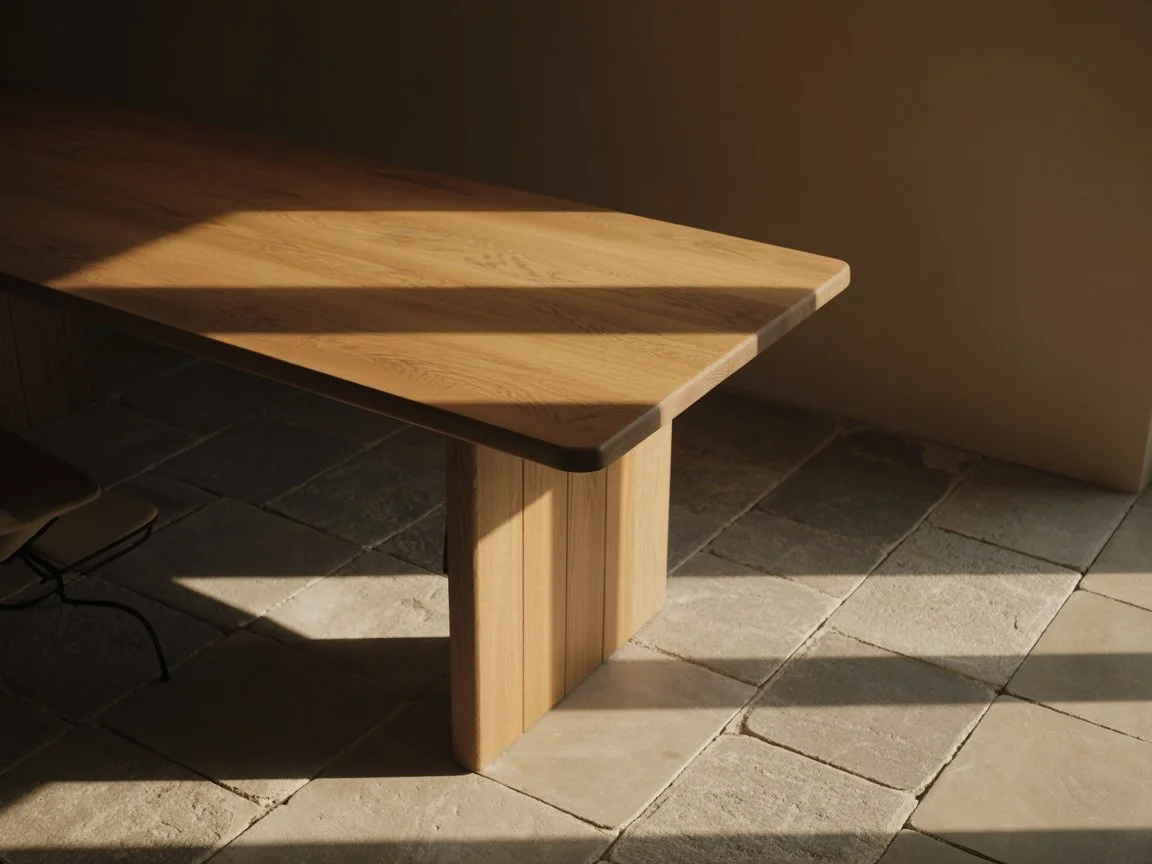
Space breathes. Materials remain legible. Light clarifies rather than decorates.
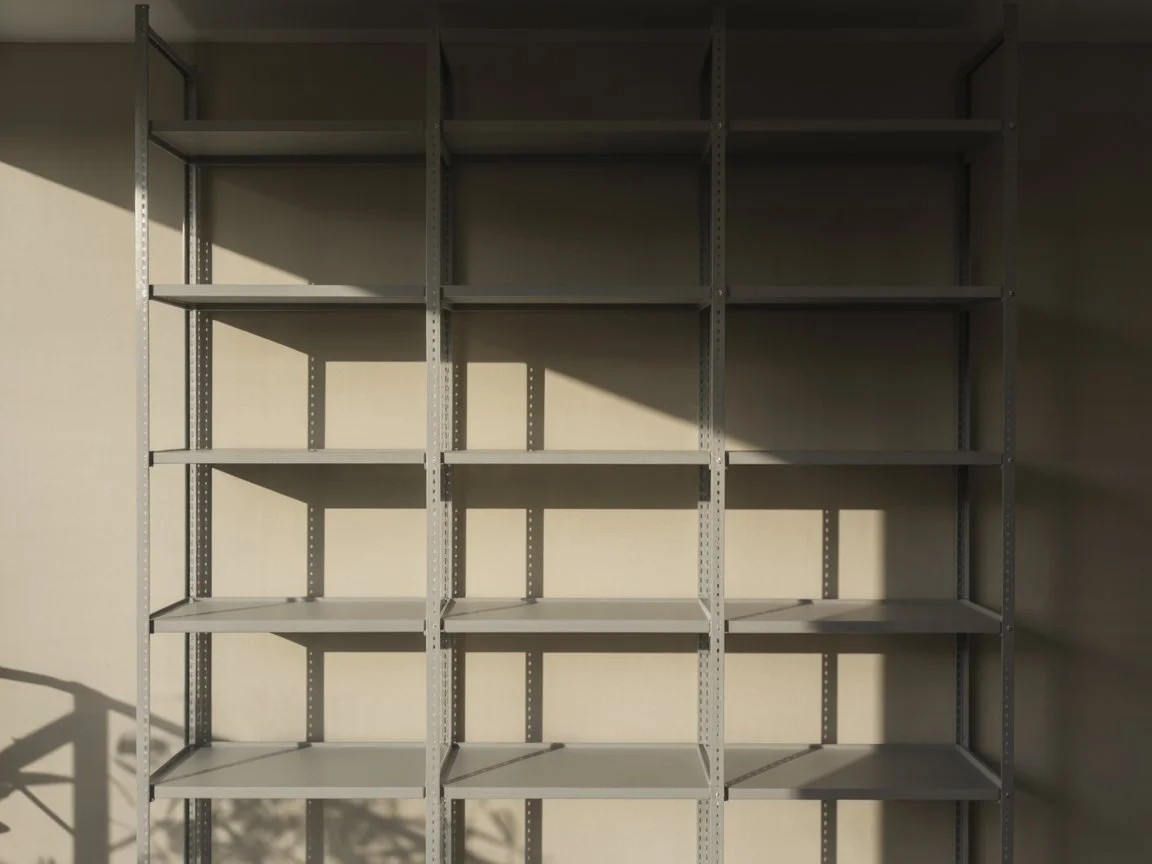
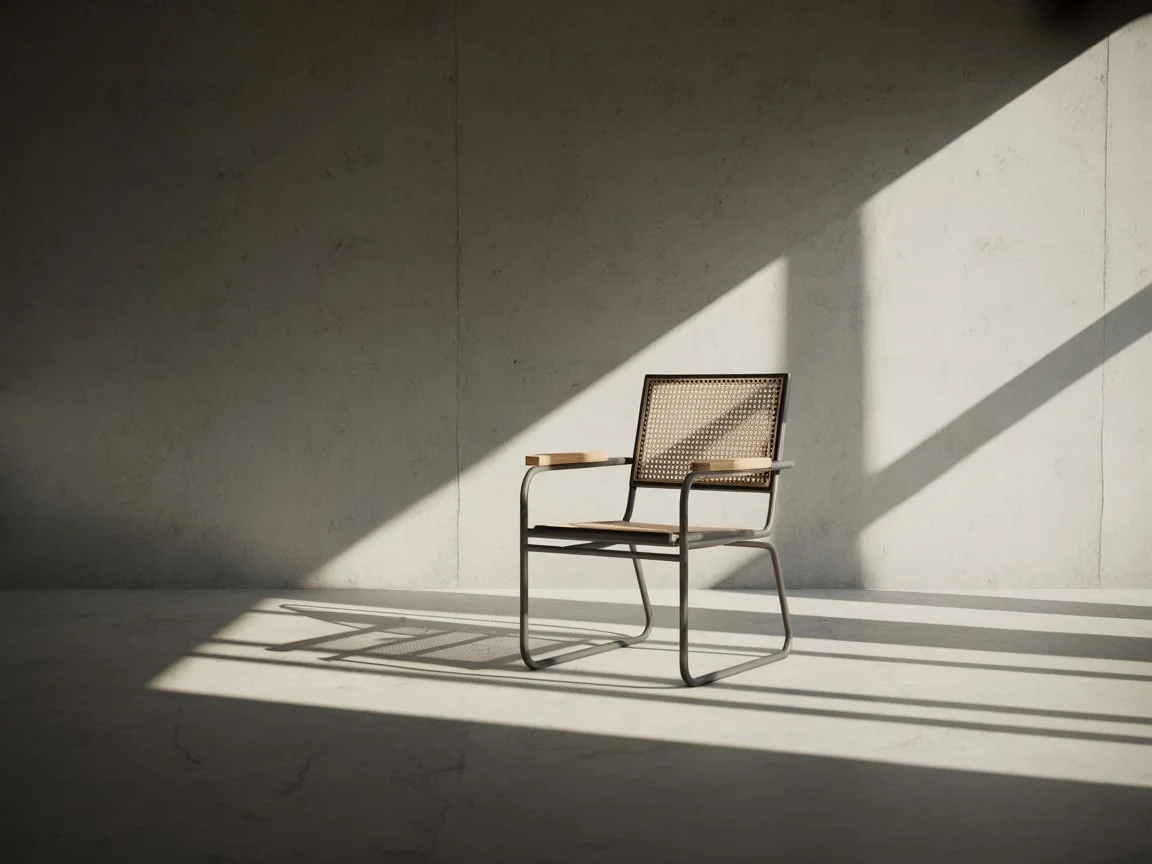
Artificial lighting frequently seeks control. Daylight refuses it. Furniture aligned with natural light accepts variation throughout the day. Morning sharpens contrast. Afternoon softens volume. Evening compresses space. These shifts grant objects a living quality without narrative or symbolism.
Fewer objects heighten responsibility. Light exposes excess quickly. Every decision carries consequence. Surfaces show wear. Materials age. Furniture either accepts this process or fails under it. Honest materials reward patience, real daily way of life.
The relationship between furniture and nature lighting also affects physical comfort. Overhead brightness flattens space and exhausts attention. Side light anchors bodies. Low illumination encourages rest. Furniture placed with awareness of light supports calm rather than stimulation. Objects exist through function, weight, and proportion. Light completes the composition quietly. Nothing seeks spectacle.
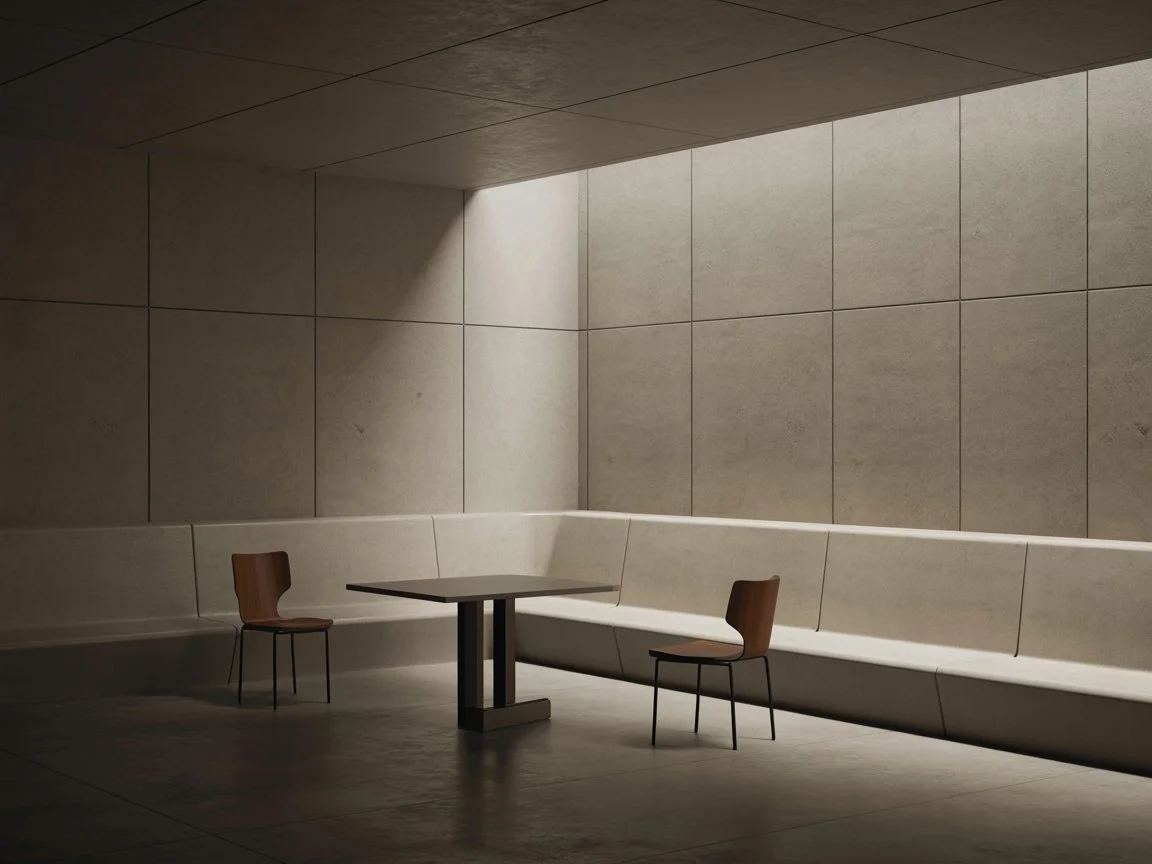
The House That Senses: Architecture as a Living Organism
It All Begins Here
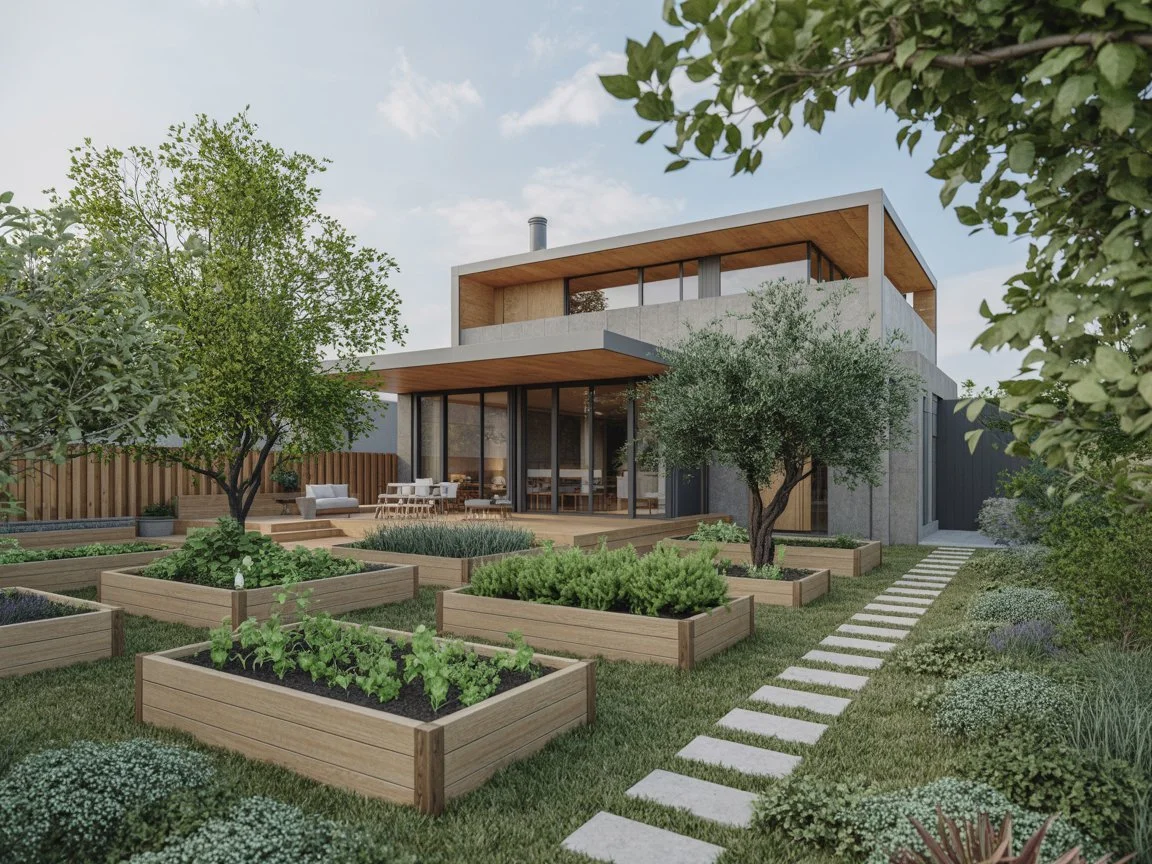
Designed as a living organism, The House That Senses aligns architecture, landscape, and technology to support self-sufficient living grounded in natural materials, environmental respect, and human perception.
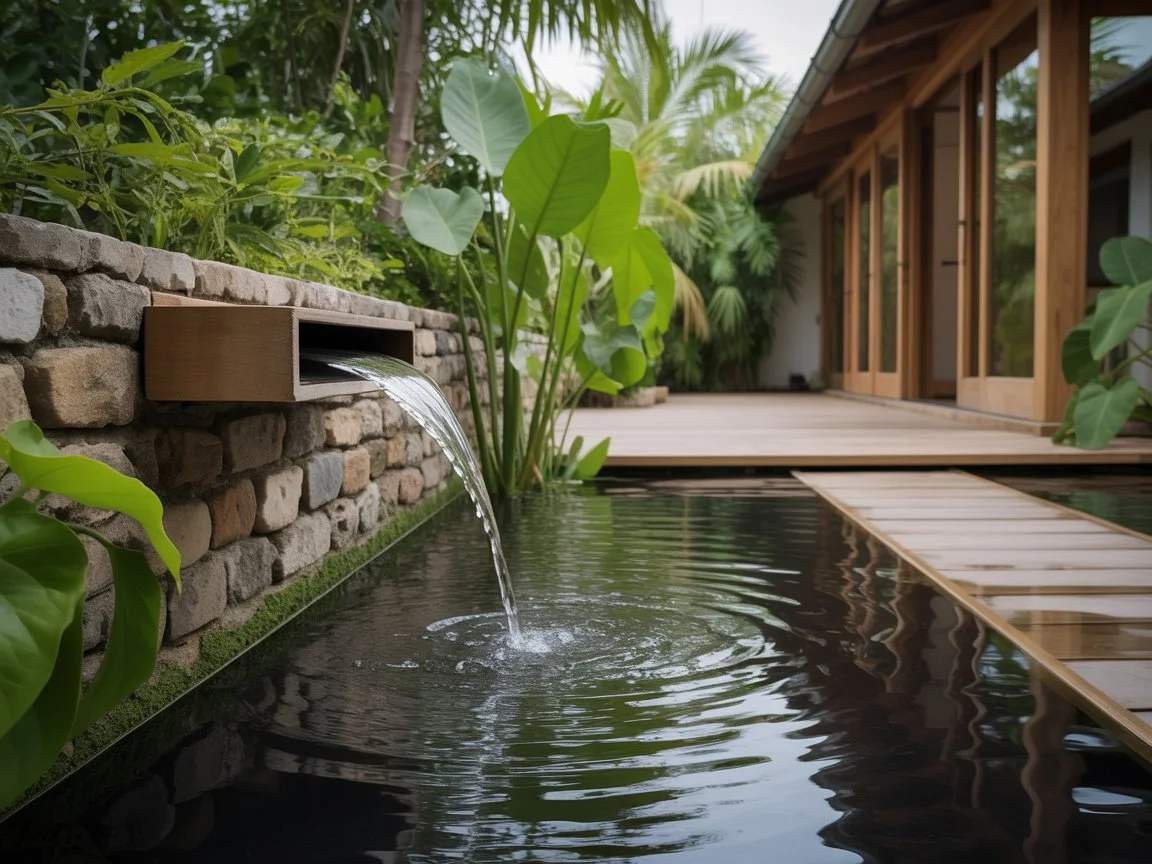
The House That Senses proposes a different understanding of what a home can be. Rather than a static enclosure, it presents domestic space as a living system shaped by material intelligence, environmental awareness, and human presence. Architecture here responds to nature through attention rather than control. Every decision begins with the land and returns to it.
At the core of the project lies a simple yet demanding premise. A house must feel before it shelters. It must register light, temperature, humidity, and seasonal change. It must acknowledge the rhythms of daily life and the slower cycles of soil, growth, and weather. This sensitivity defines the structure, the materials, and the spatial logic of the house.
Natural materials play a central role in this vision. Earth, Wood, Water, Metal, and the transformative role of Fire define how the house stands and breathes. These materials carry physical memory and environmental intelligence. They regulate temperature through mass and porosity. They shape acoustics through texture. They register time through ageing rather than resisting it. In doing so, the house becomes attuned to its surroundings rather than sealed off from them.
Wood contributes warmth and elasticity, offering both structural clarity and sensory comfort. Earth and stone ground the house physically and symbolically, stabilising interior climates while anchoring the building within its geological context. Water participates through collection, cooling, and reflection. Metal provides precision and durability where structure demands it. Fire, present through material processes rather than spectacle, ensures permanence through transformation. Together, these elements create architecture that responds rather than reacts.
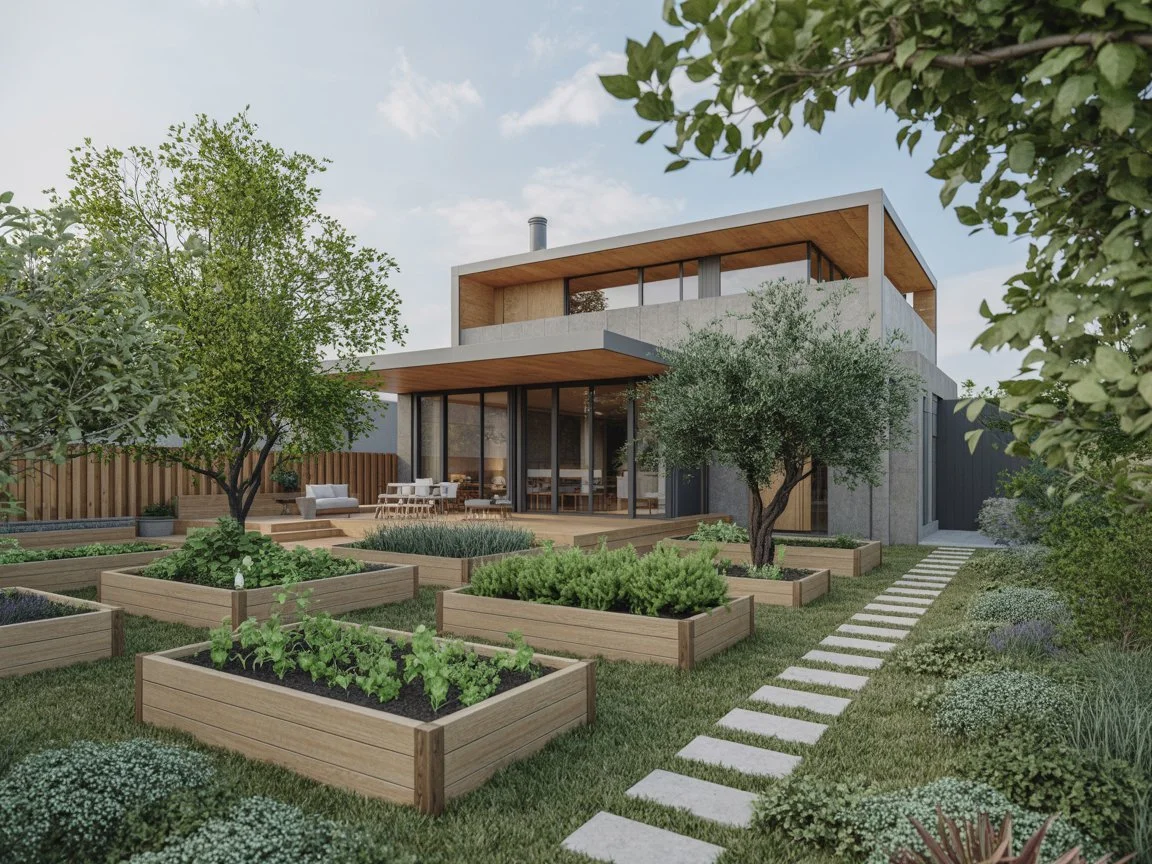
Around each house, a permaculture garden extends this relationship with nature beyond walls. The landscape functions as an edible and regenerative system that supports the household while restoring the land. Vegetables, fruit trees, herbs, and soil work together as an ecosystem shaped by care and patience. The garden supports food autonomy while enriching biodiversity. It becomes part of daily life rather than a decorative frame.
This cultivated landscape influences the architecture itself. Orientation, openings, and circulation respond to planting cycles, sunlight, and water flow. The house acknowledges that living space extends outward into soil and air. Domestic life unfolds between interior and exterior with continuity and purpose.
The House That Senses also addresses the evolving role of technology in domestic environments. Here, intelligent systems serve awareness rather than distraction. Sensors and automation assist in managing water use, energy flow, indoor climate, and maintenance. These tools reduce manual labour while allowing inhabitants to focus attention on living, growing, and caring.
Such systems support a paradox that defines contemporary sustainable living. Through careful automation, daily routines become simpler, quieter, and more efficient. Time and attention return to activities rooted in nature rather than screens. Technology, when used with restraint, allows deeper engagement with physical life rather than separation from it.
This approach acknowledges that sustainability requires both ancient knowledge and contemporary tools. Natural materials connect architecture to long-standing building traditions rooted in place. Intelligent systems respond to present-day challenges of resource management and climate responsibility. Together, they form a balanced domestic ecology.
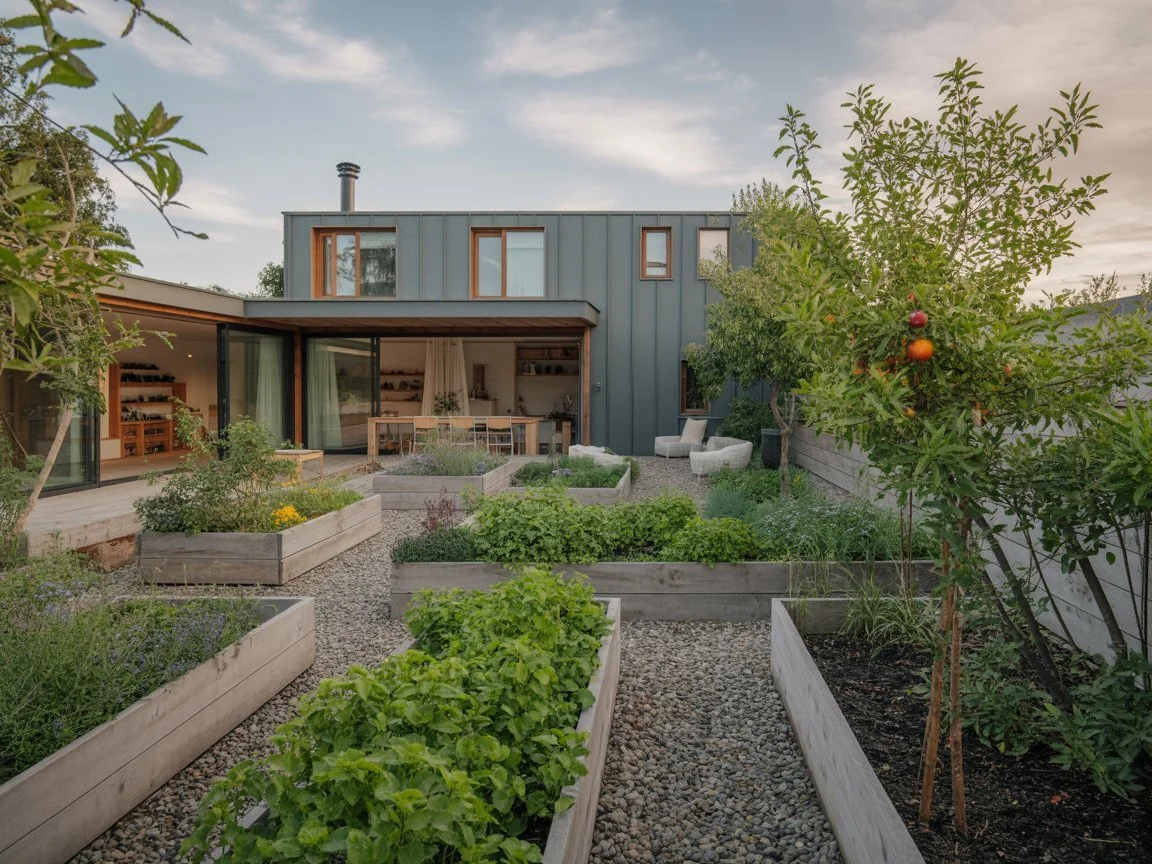
Architecture becomes a living system shaped by care.
The ambition of The House That Senses extends beyond a single building. It proposes a model that empowers individuals and families to participate actively in the creation of their own homes. By prioritising local resources, accessible construction methods, and clear design principles, the project supports autonomy without isolation.
Building becomes an act of learning rather than consumption. Inhabitants gain understanding of materials, energy, water, and land. This knowledge fosters responsibility and confidence. The home becomes a shared achievement shaped by collaboration rather than abstraction.
This approach carries social significance. As housing increasingly shifts toward standardisation and detachment from place, The House That Senses argues for specificity and care. Each site offers different conditions. Each family carries distinct rhythms. Architecture responds best when it listens to both.
The project also positions domestic space as a site of cultural evolution. Living closer to natural cycles alters perception of time, value, and comfort. The house supports slower rhythms without sacrificing contemporary needs. Comfort arises from balance rather than excess.
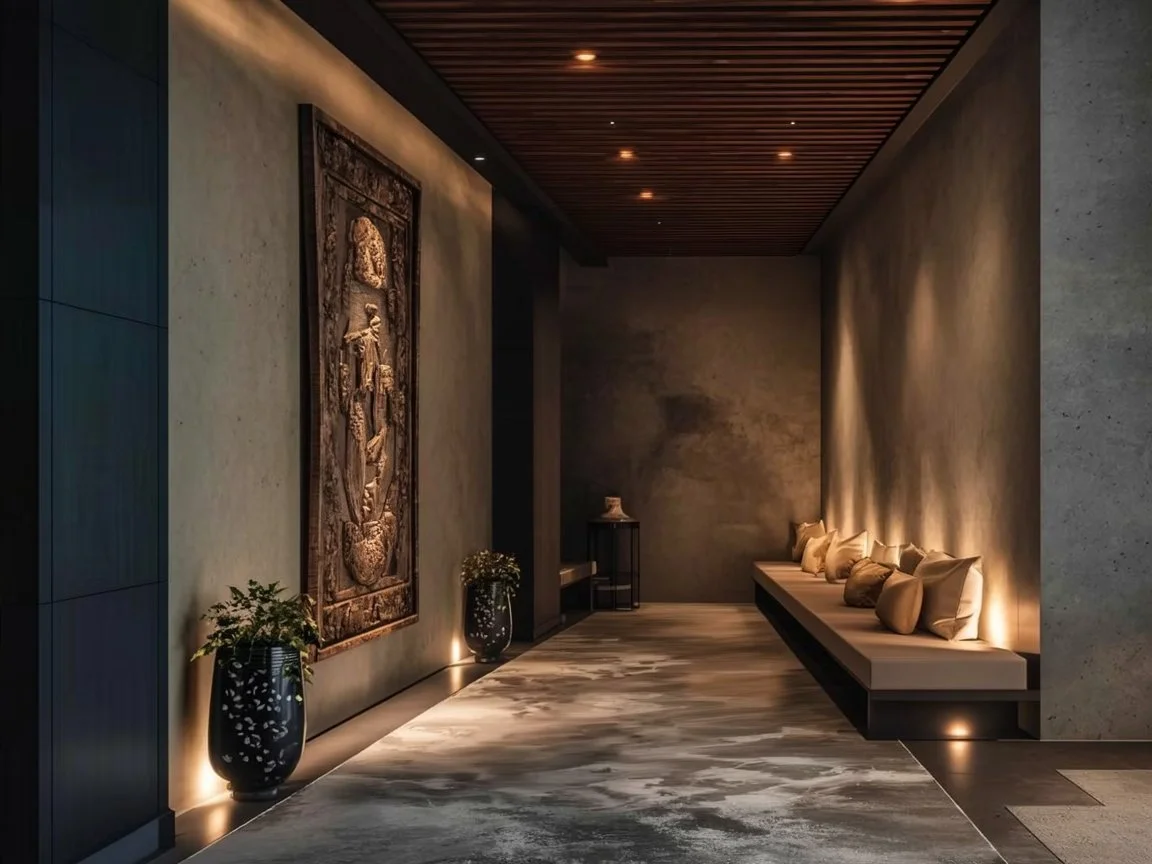
By aligning architecture, landscape, and technology, The House That Senses proposes a domestic future grounded in awareness. It reframes sustainability as an everyday practice rather than a slogan. Living becomes an active relationship with land, materials, and resources.
This vision invites participation. It suggests that housing can support ecological responsibility without sacrifice. It demonstrates that thoughtful design enables autonomy while fostering connection. More than a project, it signals a collective shift toward living environments that feel alive, attentive, and grounded.
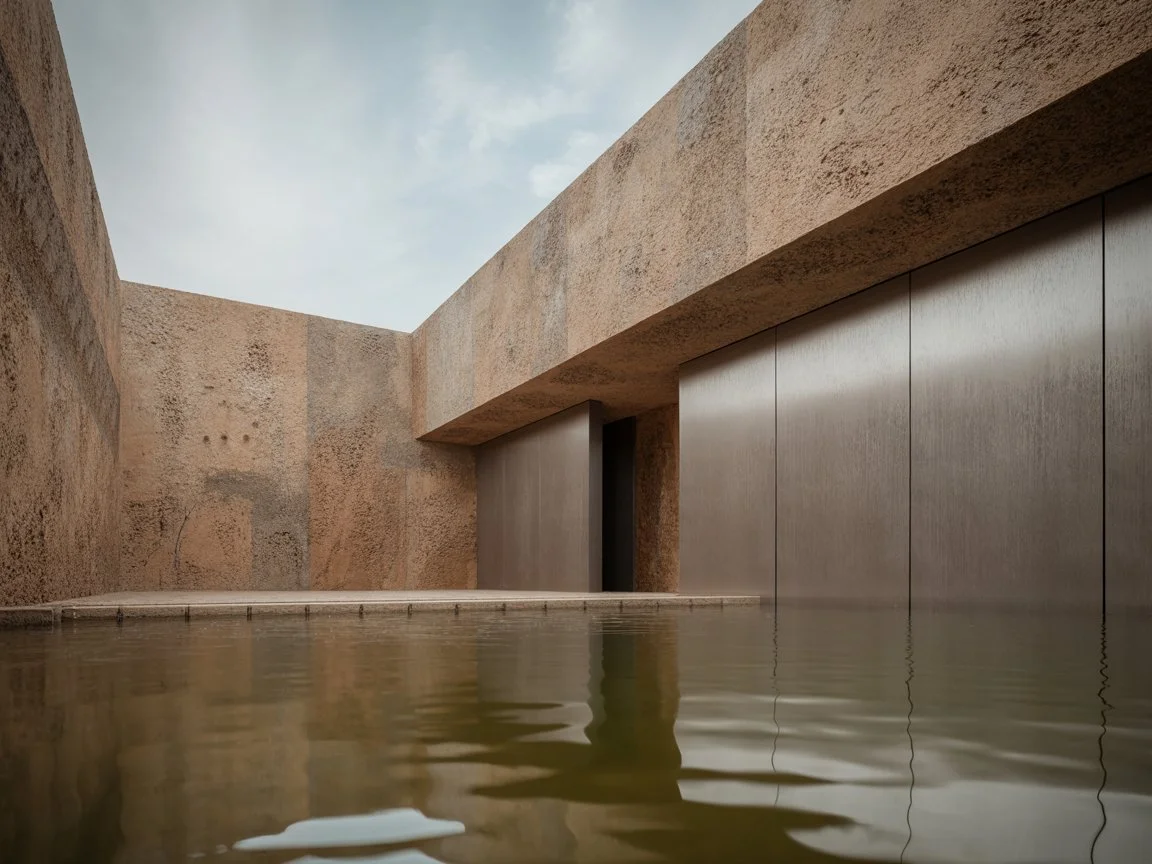
Organic Materials and Elements as Architectural Intelligence
It All Begins Here
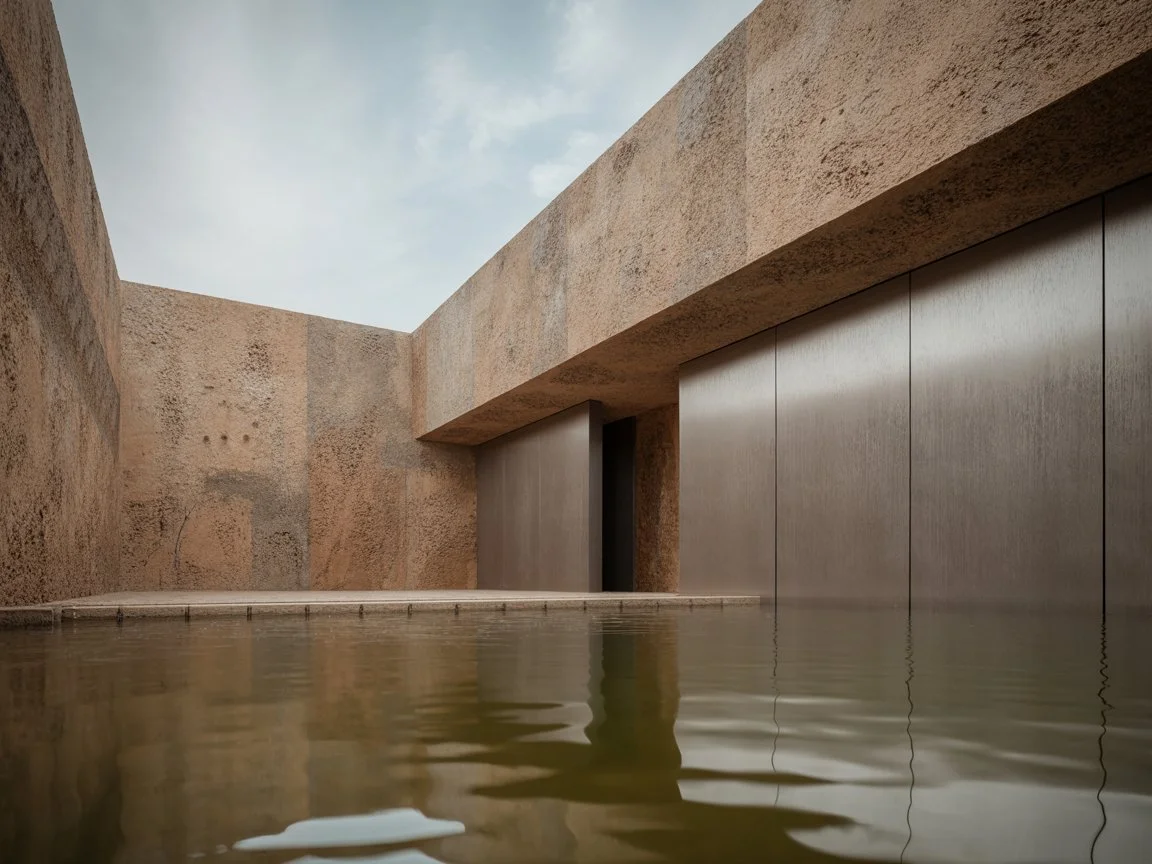
Material truth guides architecture toward integrity of form and atmosphere.
Natural surfaces respond to light and time and root buildings into landscape and life, giving each space meaningful resonance and physical clarity.
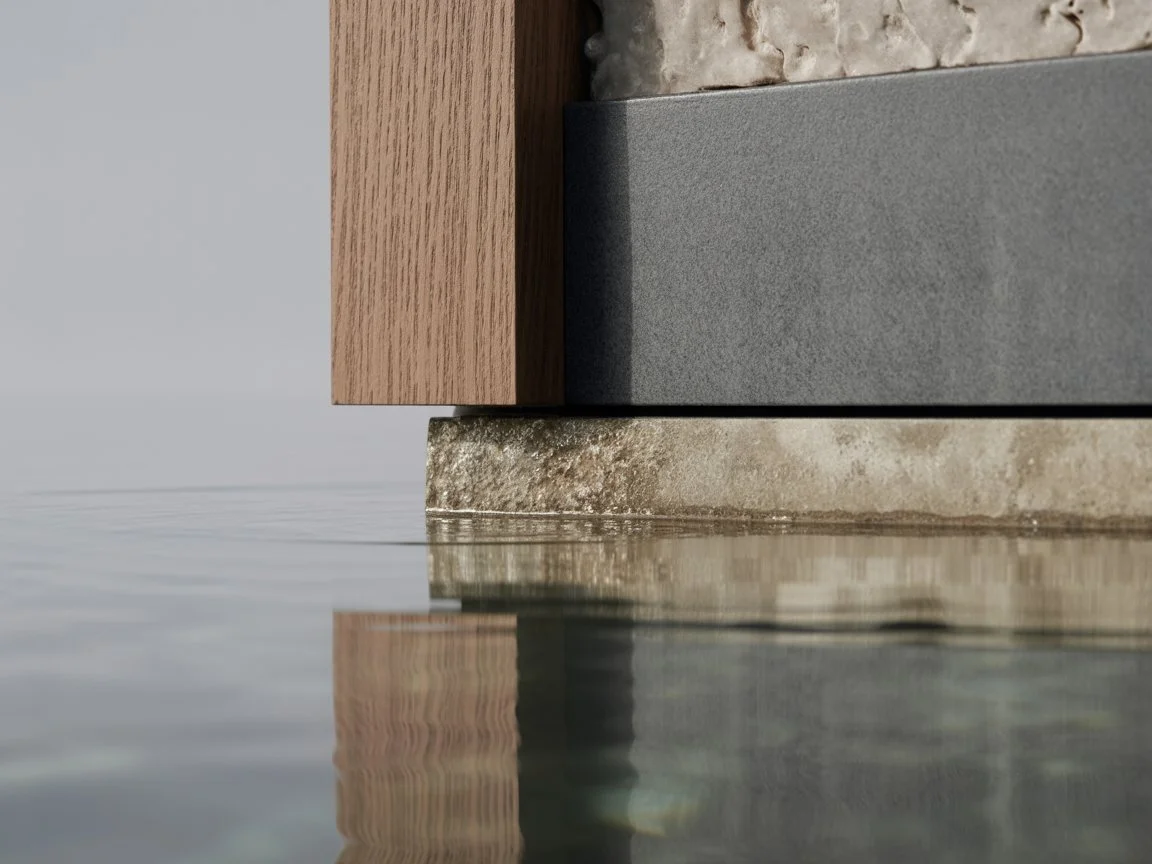
Contemporary architecture increasingly returns to a fundamental vocabulary rooted in five elemental forces: fire, metal, earth, water and wood. These elements provide more than symbolic reference. They define how space breathes, carries weight, reflects light and supports life. Architecture grounded in this elemental understanding responds to both physical necessity and human perception with clarity and intention.
Earth forms the foundation of architecture’s material intelligence. Clay, stone and soil anchor buildings within their geological context. They regulate temperature and humidity through mass and porosity, offering stability and quiet permanence. Earth-based materials engage gravity directly and provide a tactile connection to place. Their presence affirms architecture as part of the land rather than an imposition upon it.
Wood introduces warmth, flexibility and temporal awareness. Its grain records growth and age, offering surfaces that change over time without loss of integrity. Wood responds to moisture and air, contributing to interior balance and comfort. Its structural and sensory qualities foster environments that feel calm and measured. Architecture that integrates wood benefits from its capacity to support both structural logic and human scale.
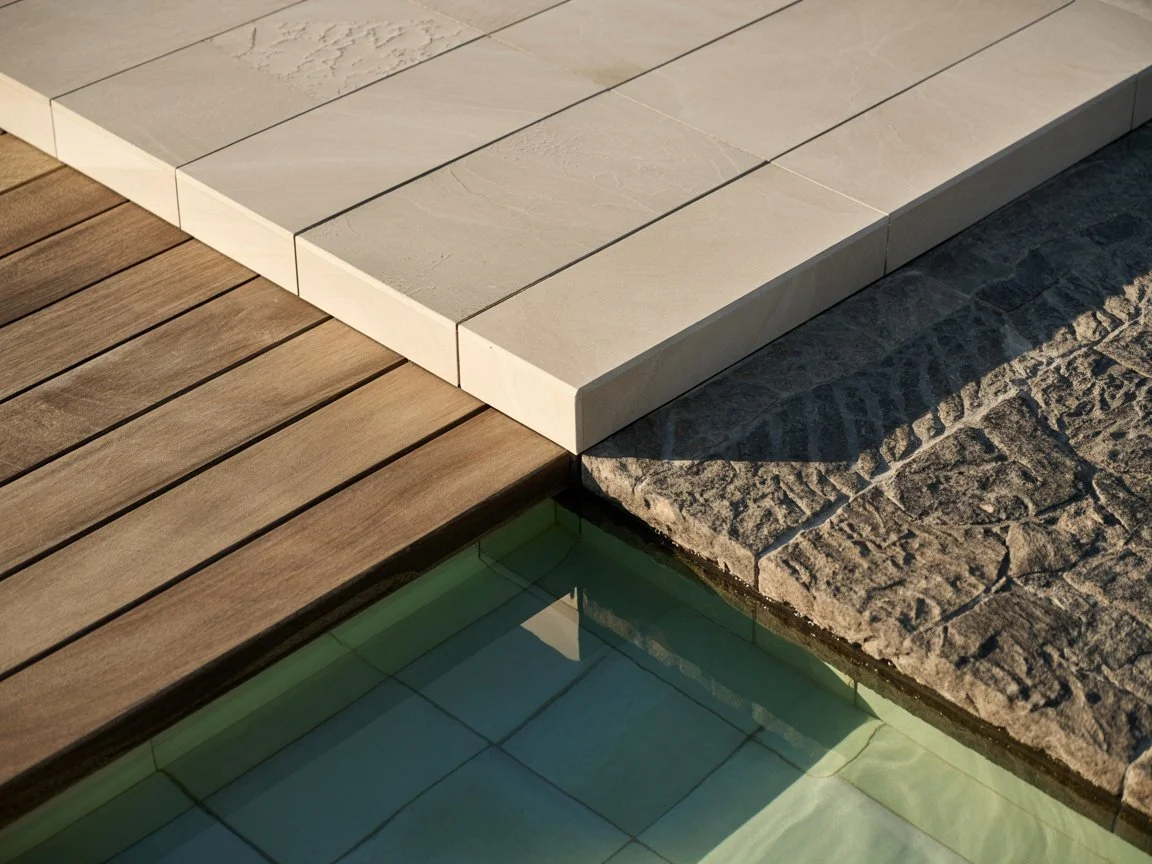
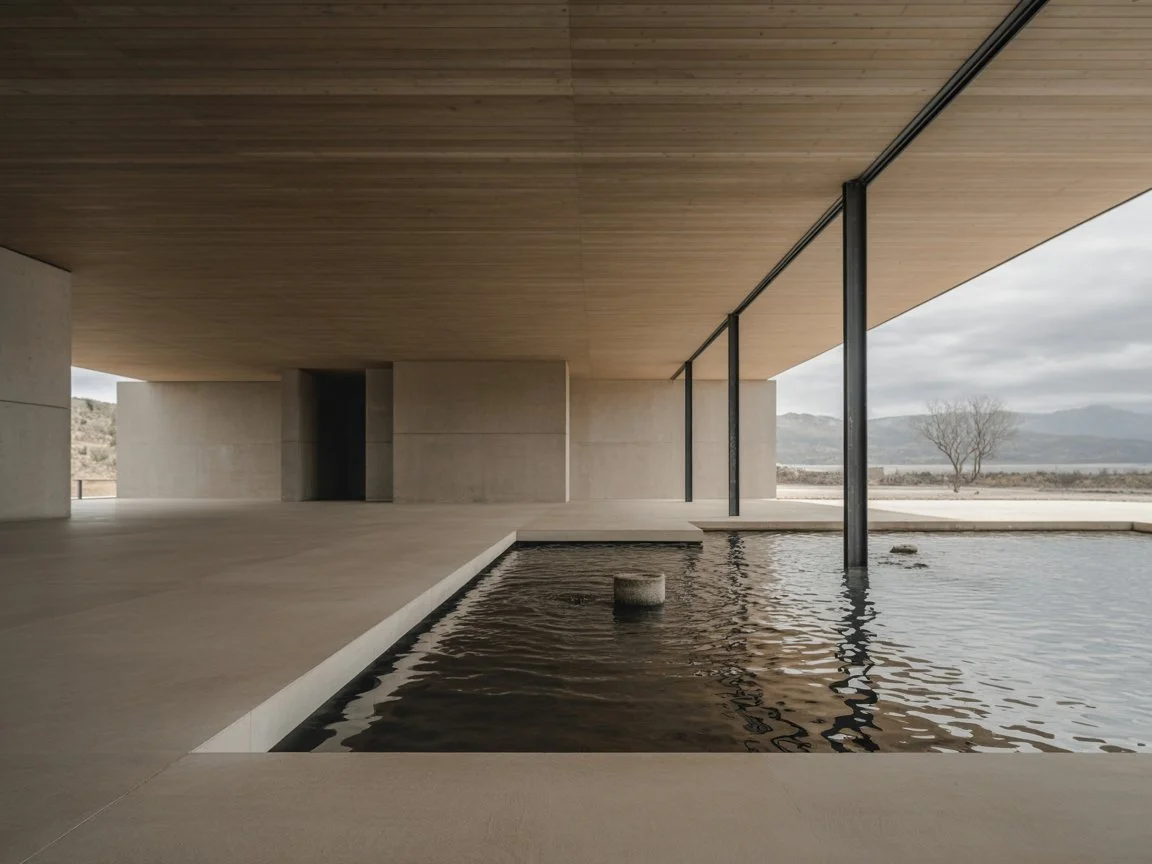
Water shapes architecture through movement and reflection. It influences spatial rhythm, cooling environments and softening acoustics. In architectural contexts, water becomes a mediator between inside and outside, between built form and landscape. Its presence heightens awareness of time through sound, evaporation and light interaction. Water encourages attentiveness and continuity within space.
Fire represents transformation and energy. In architecture, fire appears through processes rather than form. It manifests in the firing of ceramics, the forging of metal and the hardening of earth-based materials. Fire grants durability and resistance. It transforms raw matter into material capable of supporting habitation. Its role remains essential to how architecture achieves permanence and resilience.
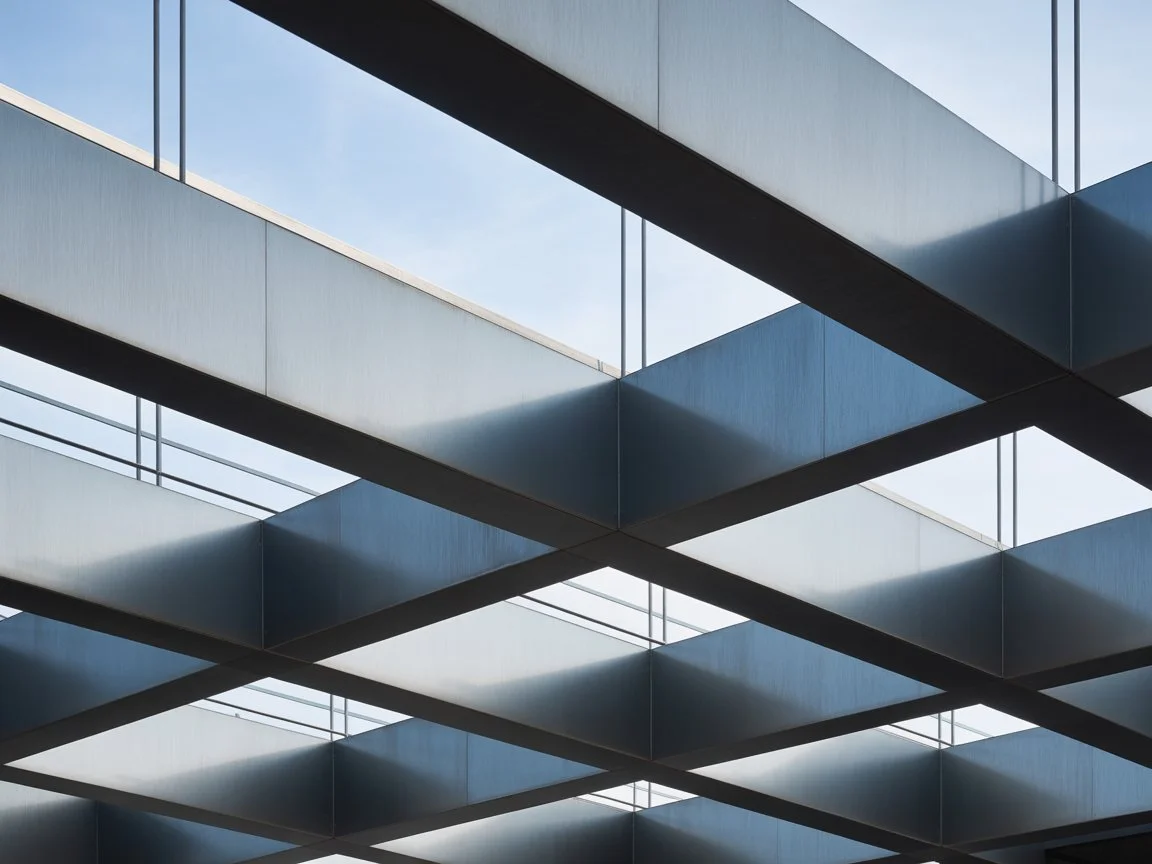
Metal introduces precision, tension and reflection. It supports structure while enabling slenderness and adaptability. Metal responds to heat, pressure and time with visible clarity. Its use requires understanding of force and balance. In architecture, metal complements heavier materials by providing contrast and articulation. It enables architectural systems that remain legible and honest.
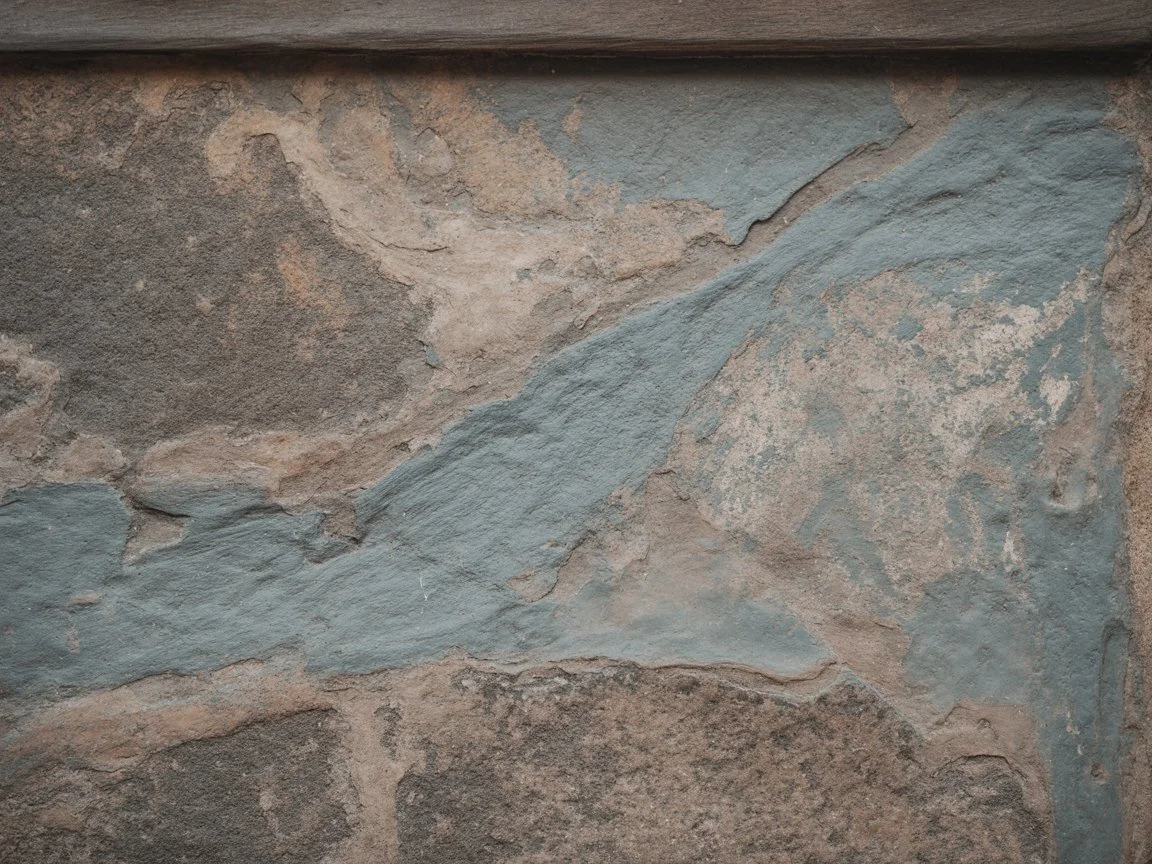
These five elements establish a framework for material responsibility. Their integration requires restraint and understanding rather than excess. Natural materials engage environmental forces instead of concealing them. Wood regulates humidity. Earth stabilises temperature. Water influences microclimate. Metal carries load efficiently. Fire ensures durability through transformation. Together, they contribute to architecture that supports comfort with minimal reliance on artificial systems.
Material choice carries ethical weight. The construction industry contributes significantly to environmental impact, with material extraction and processing at its core. Natural materials often require lower energy input and offer long-term performance. Timber stores carbon. Earth-based materials demand minimal industrial transformation. Metal, when used with precision, provides longevity and recyclability. These factors align architecture with ecological responsibility.
Beyond performance, natural materials shape perception. Texture, weight and sound influence how space feels and how people move within it. Light interacting with uneven surfaces creates variation rather than uniformity. Such environments support concentration, calm and sensory awareness. Architecture gains depth when materials reveal their character through use and time.
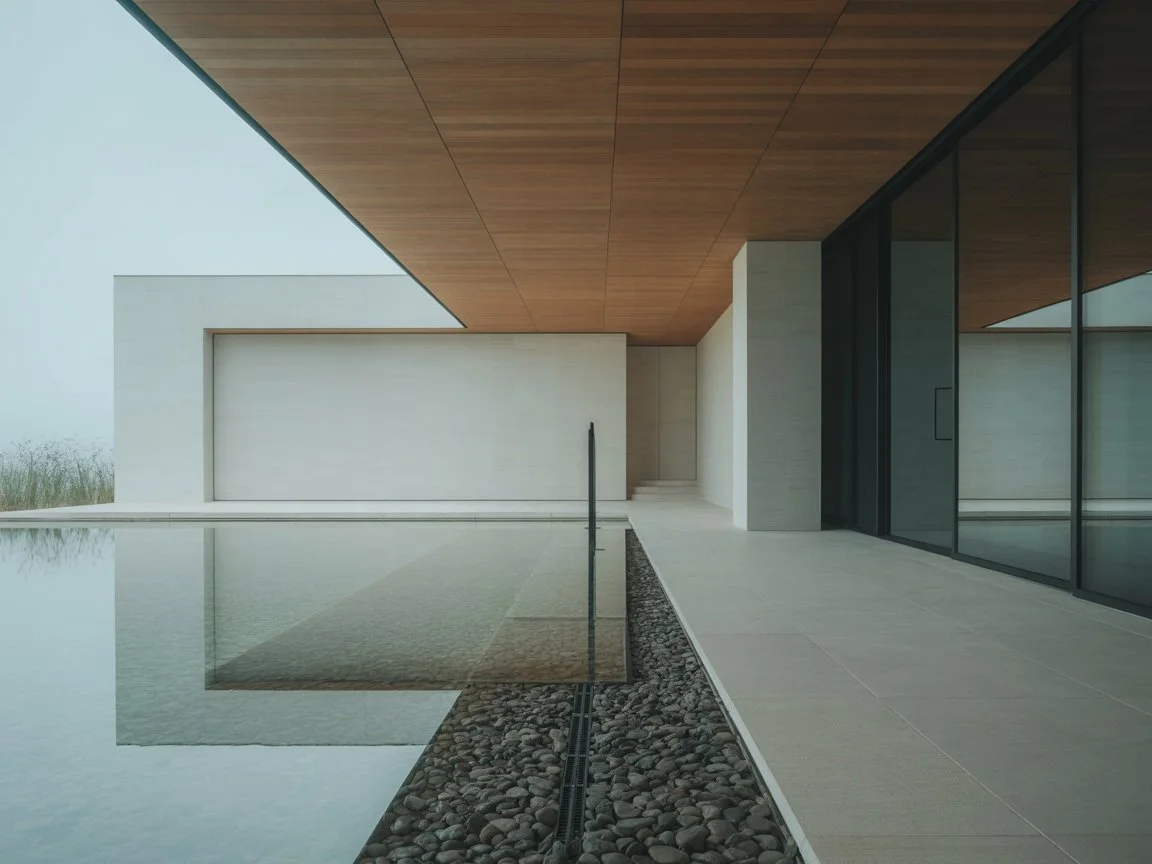
Cultural continuity emerges through elemental materiality. Materials tied to land and craft traditions reinforce identity without nostalgia. Architecture rooted in elemental logic speaks a universal language grounded in physical reality. It resists spectacle and affirms presence.
By returning to fire, metal, earth, water and wood, contemporary architecture reclaims material intelligence. These elements offer architecture durability, restraint and meaning. They position space within natural cycles and human experience, providing environments that feel grounded, attentive and enduring.