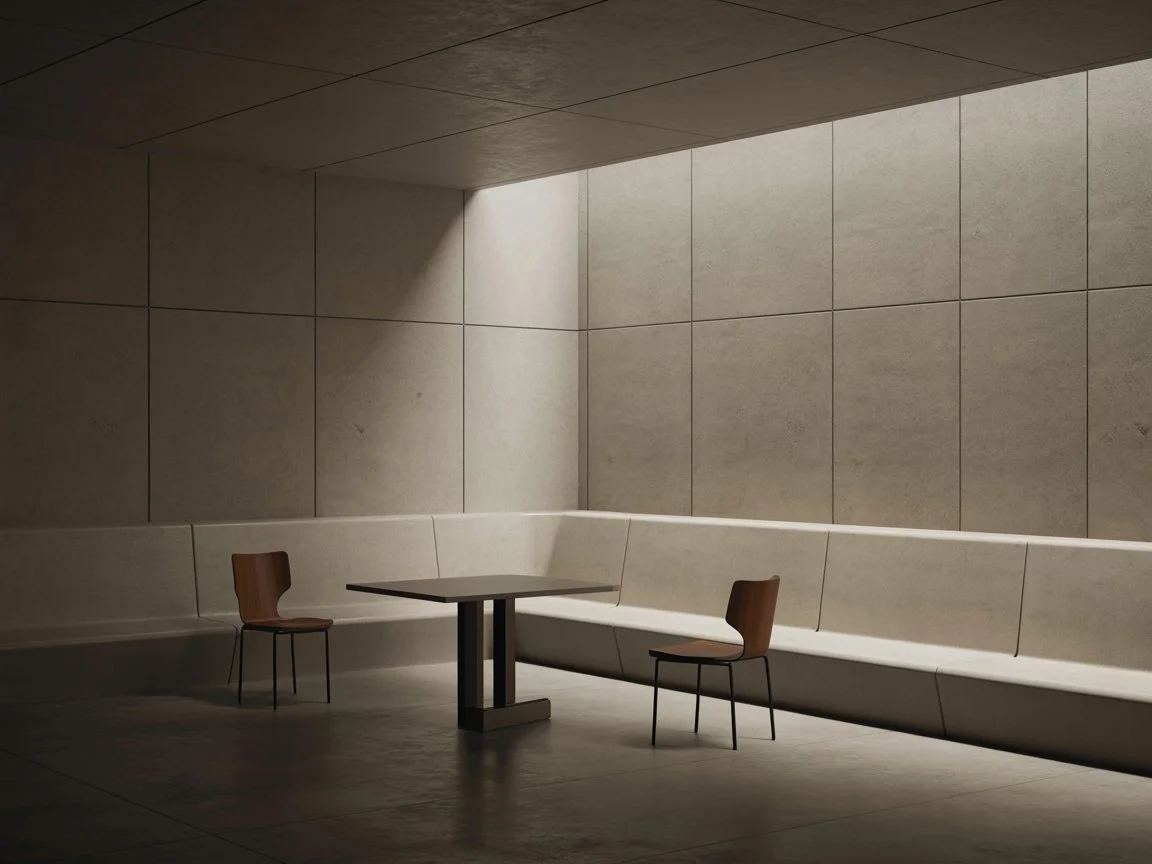
Natural Materials Presence Under Indoor Lighting
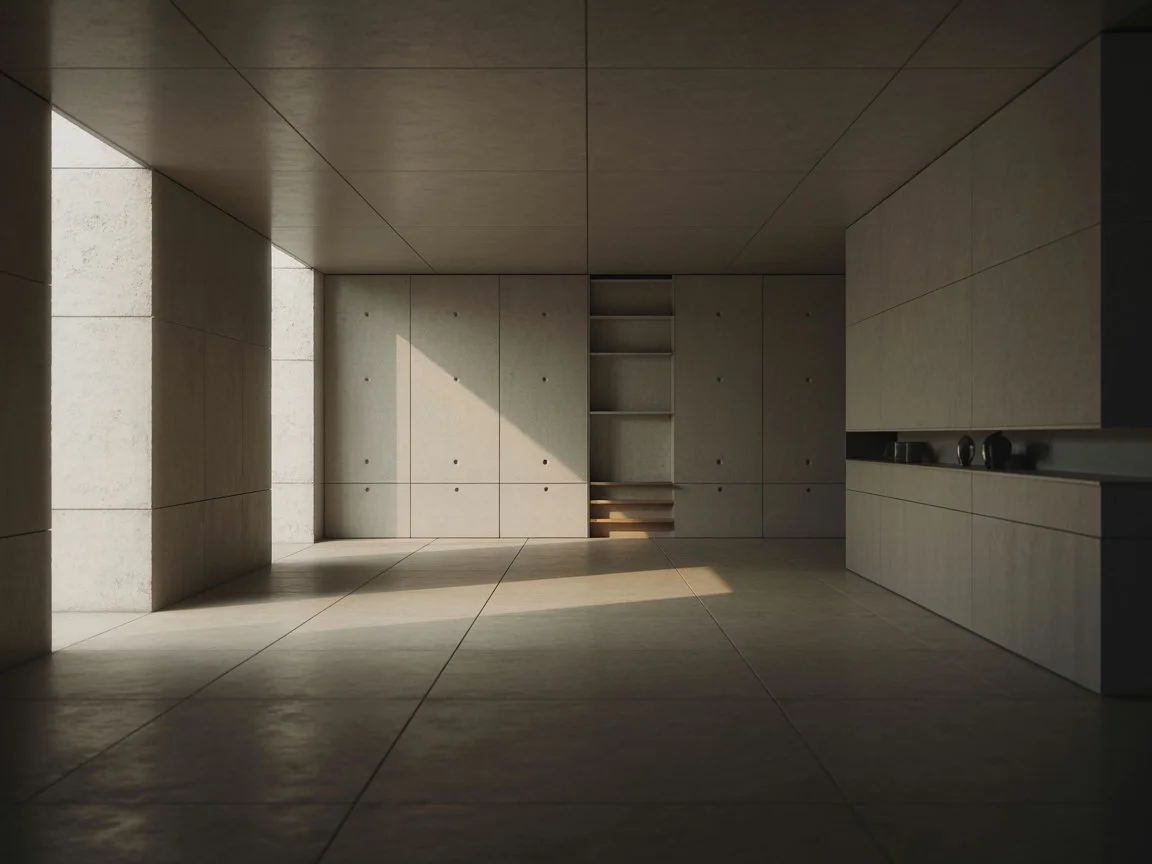
Indoor light defines how wood, metal, earth, water, and fire behave inside a home, guiding furniture toward gravity, restraint, and lasting presence.
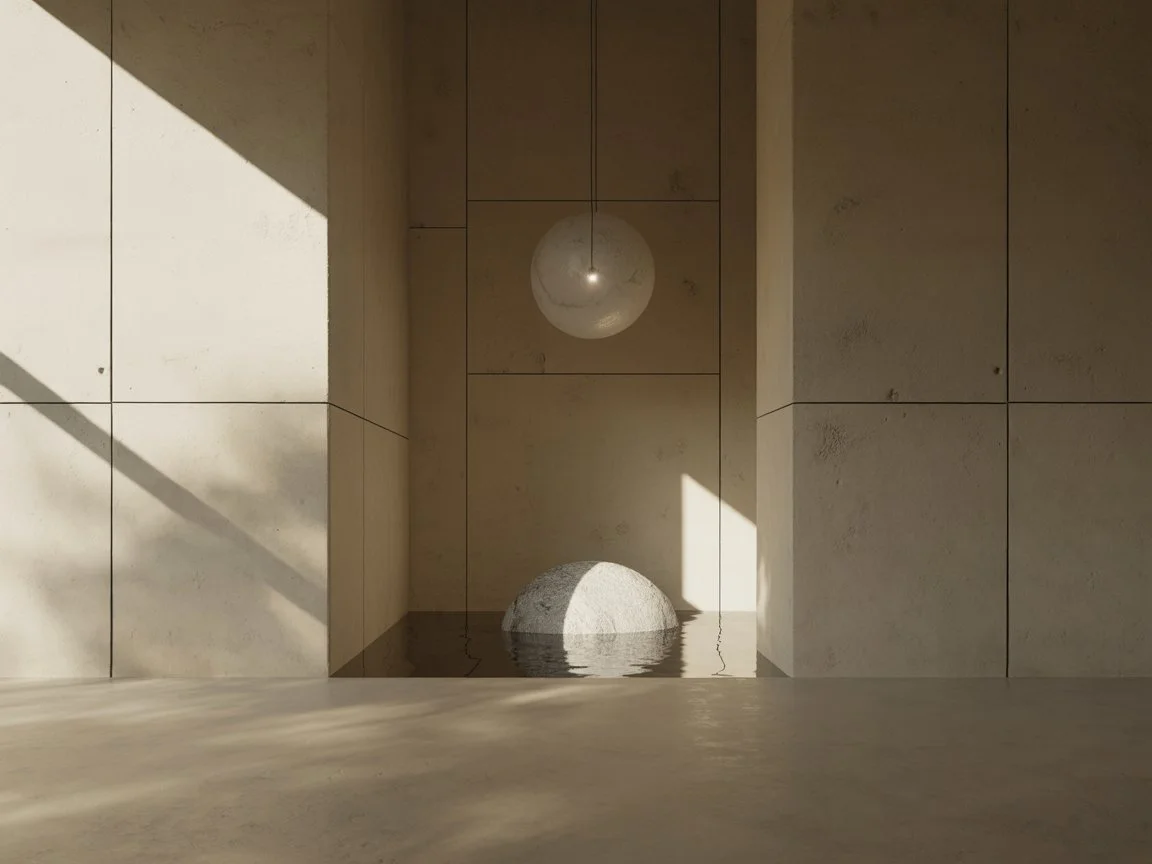
Light inside an indoor space function as more than illumination. It dictates how wall, floor and ceiling materials reveal themselves and how furniture claims its place. When treated seriously, light becomes a structural condition rather than an atmospheric addition.
Natural materials respond to light with precision. Wood absorbs illumination and releases warmth slowly. Its grain appears deeper when light arrives from the side rather than above. Metal reacts immediately, reflecting brightness with severity or restraint depending on surface and angle. Earth based materials darken easily, requiring patience rather than excess brightness. Water extends space through reflection. Fire remains present through warmth, tension, and the memory of heat rather than visible flame.
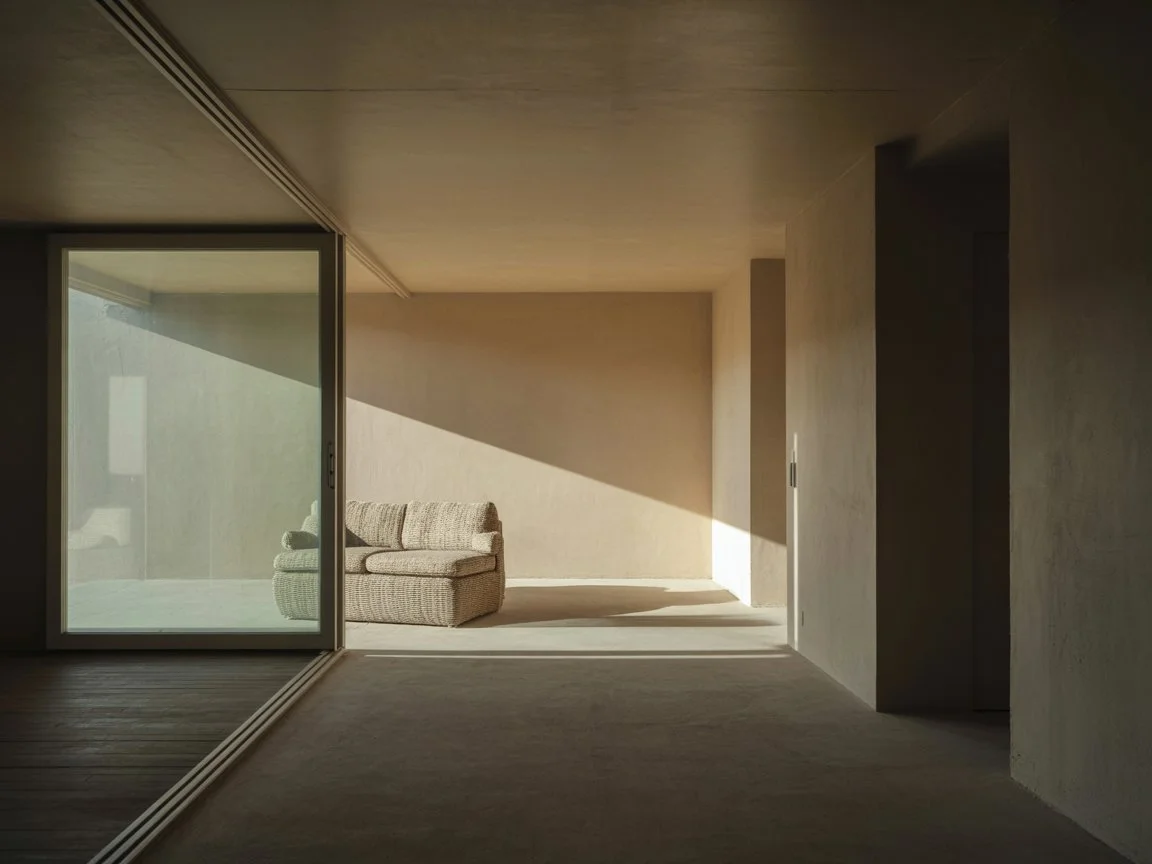
Furniture designed without attention to light often appears disconnected from its environment. Proportions feel arbitrary. Surfaces lose depth. Objects demand attention rather than earning it. When light informs design decisions from the beginning, furniture accepts time, movement, and use without resistance. Indoor lighting defines proportion. A table gains authority when its mass relates to the direction of daylight. Seating requires balance between exposure and shelter. Storage benefits from shadow as much as visibility. Light reveals joints, edges, and construction choices with honesty. Nothing hides.
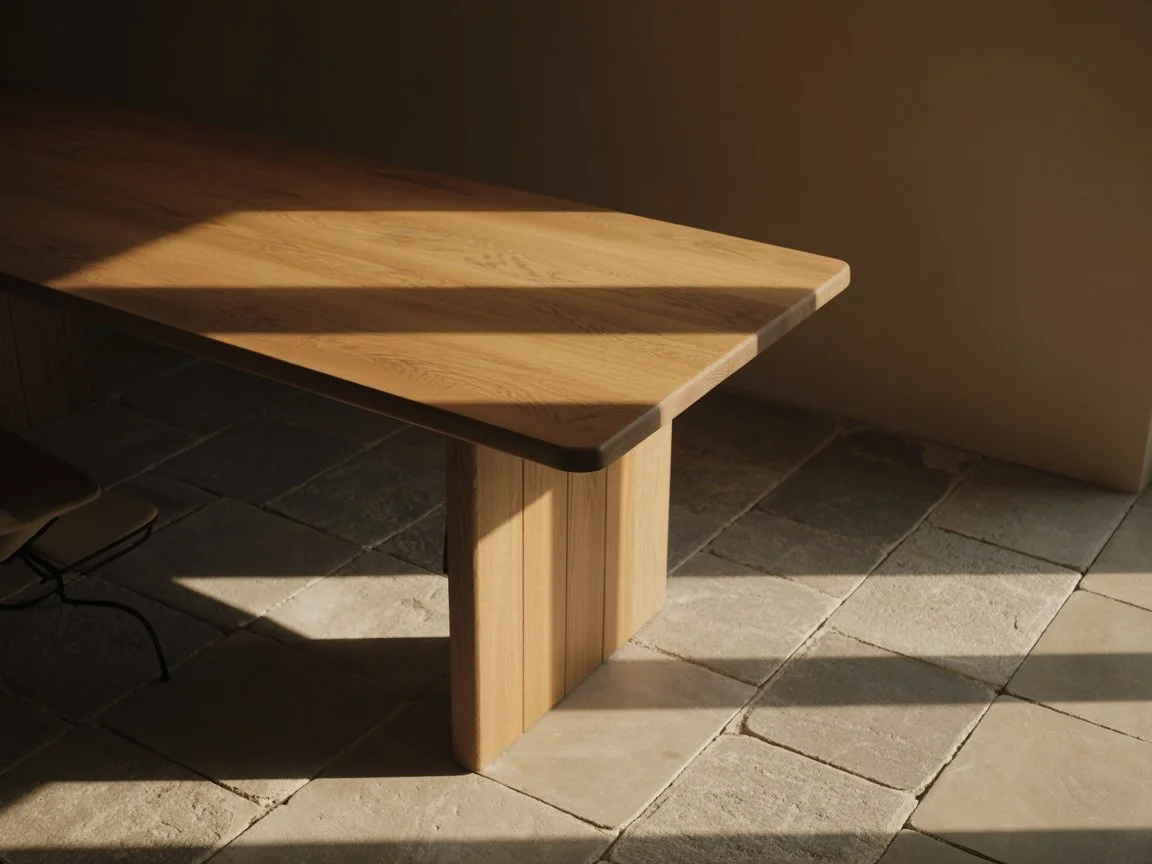
Space breathes. Materials remain legible. Light clarifies rather than decorates.
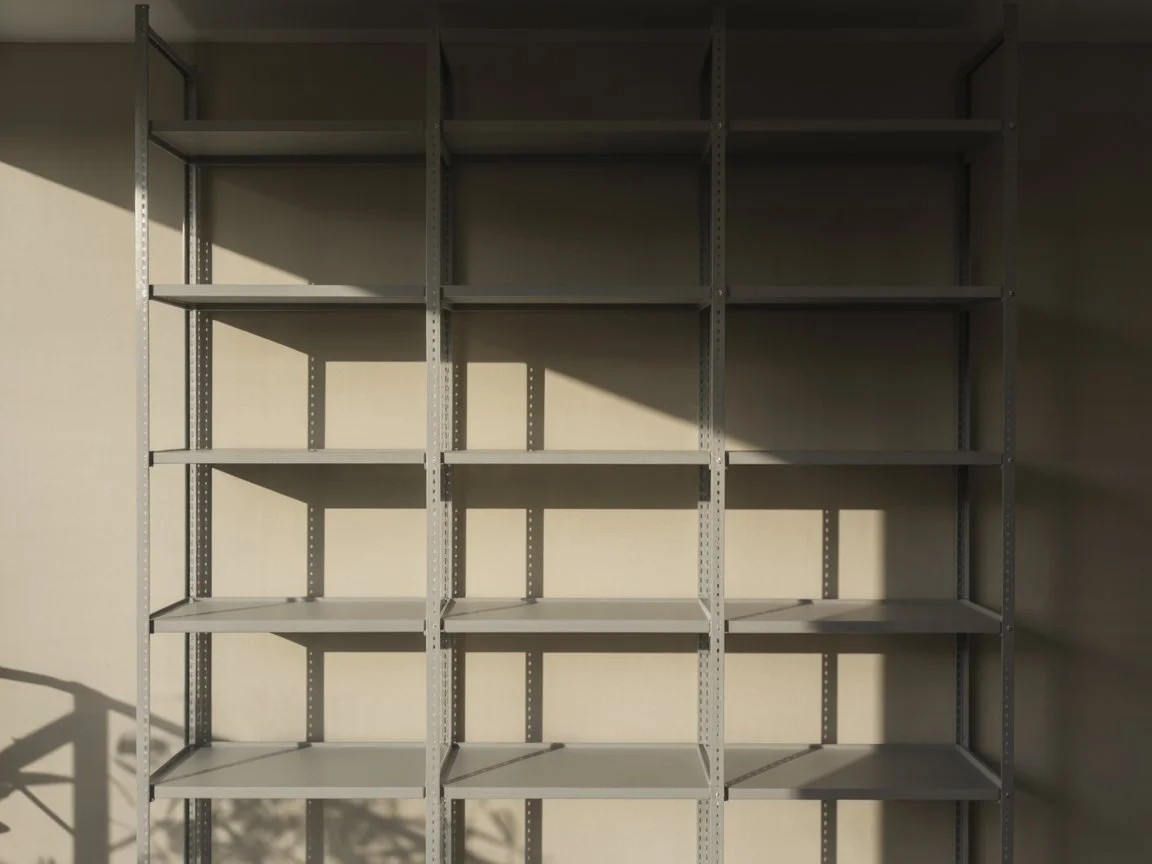
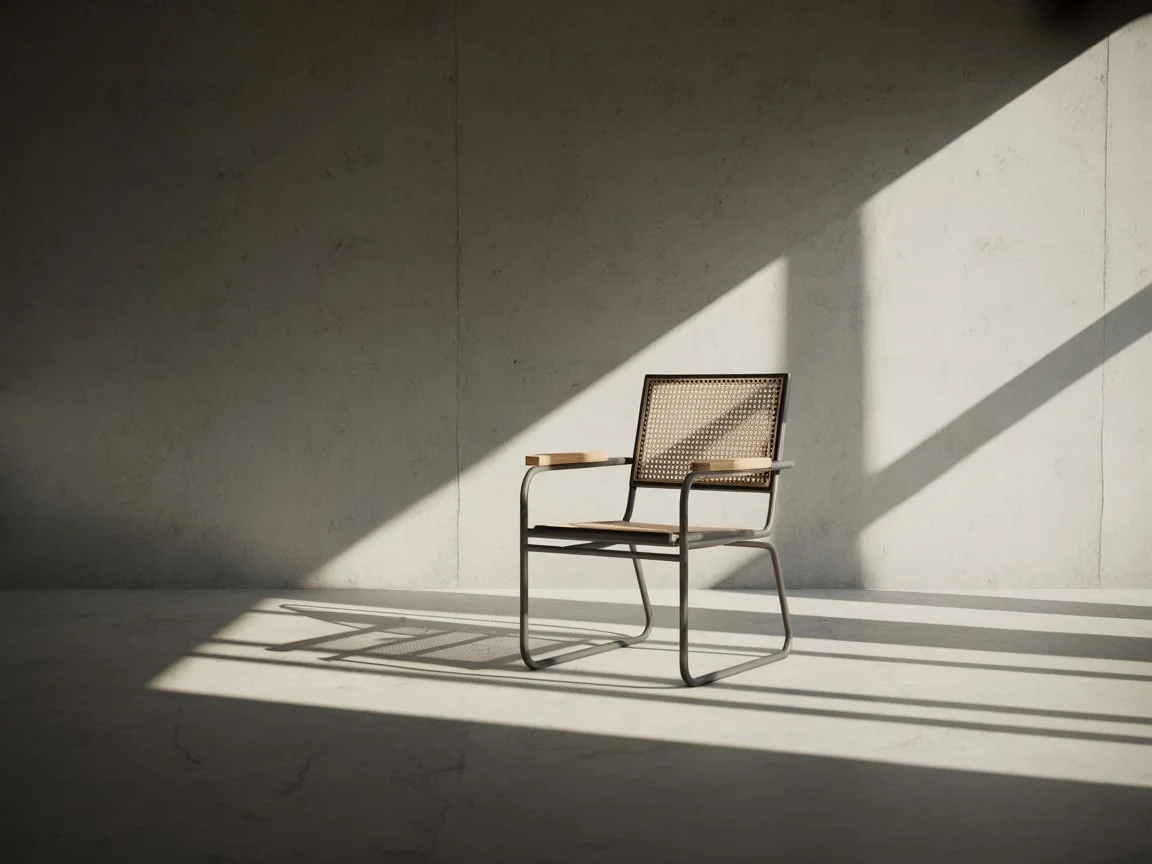
Artificial lighting frequently seeks control. Daylight refuses it. Furniture aligned with natural light accepts variation throughout the day. Morning sharpens contrast. Afternoon softens volume. Evening compresses space. These shifts grant objects a living quality without narrative or symbolism.
Fewer objects heighten responsibility. Light exposes excess quickly. Every decision carries consequence. Surfaces show wear. Materials age. Furniture either accepts this process or fails under it. Honest materials reward patience, real daily way of life.
The relationship between furniture and nature lighting also affects physical comfort. Overhead brightness flattens space and exhausts attention. Side light anchors bodies. Low illumination encourages rest. Furniture placed with awareness of light supports calm rather than stimulation. Objects exist through function, weight, and proportion. Light completes the composition quietly. Nothing seeks spectacle.