
The House That Senses: Architecture as a Living Organism
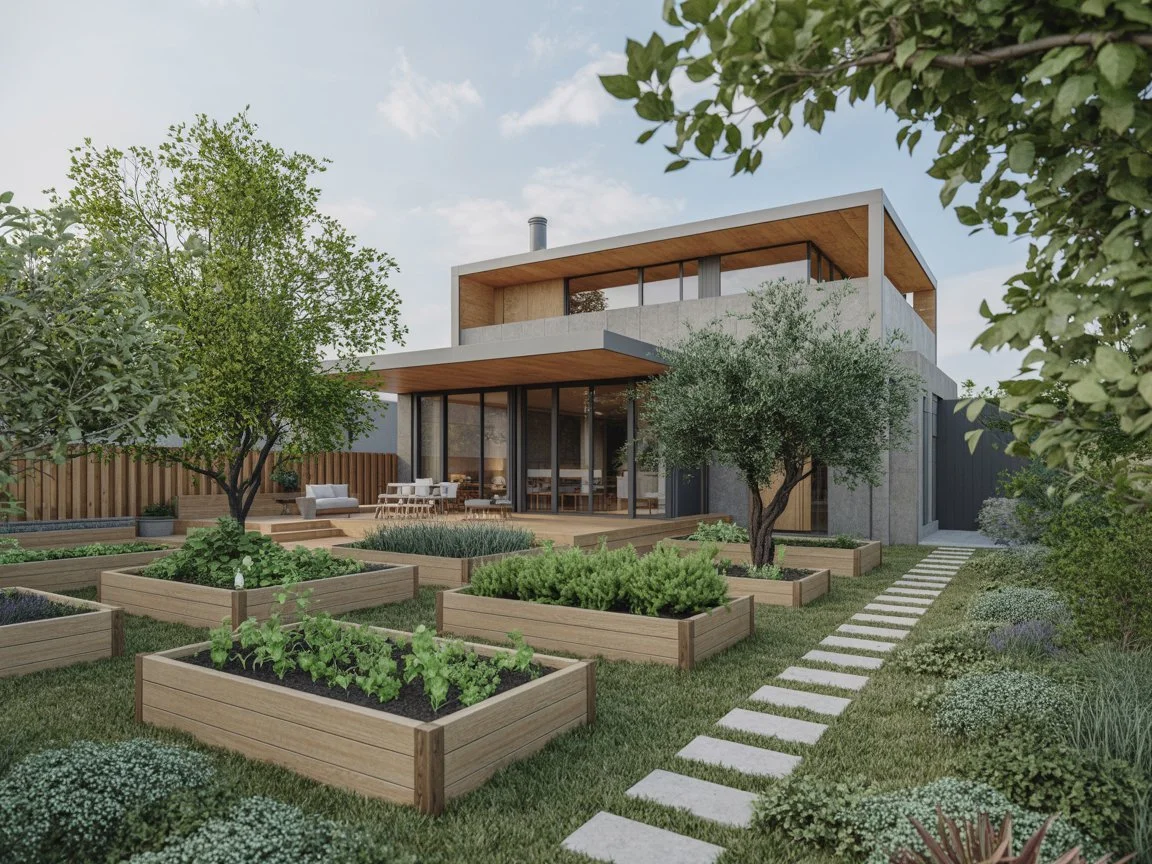
Designed as a living organism, The House That Senses aligns architecture, landscape, and technology to support self-sufficient living grounded in natural materials, environmental respect, and human perception.
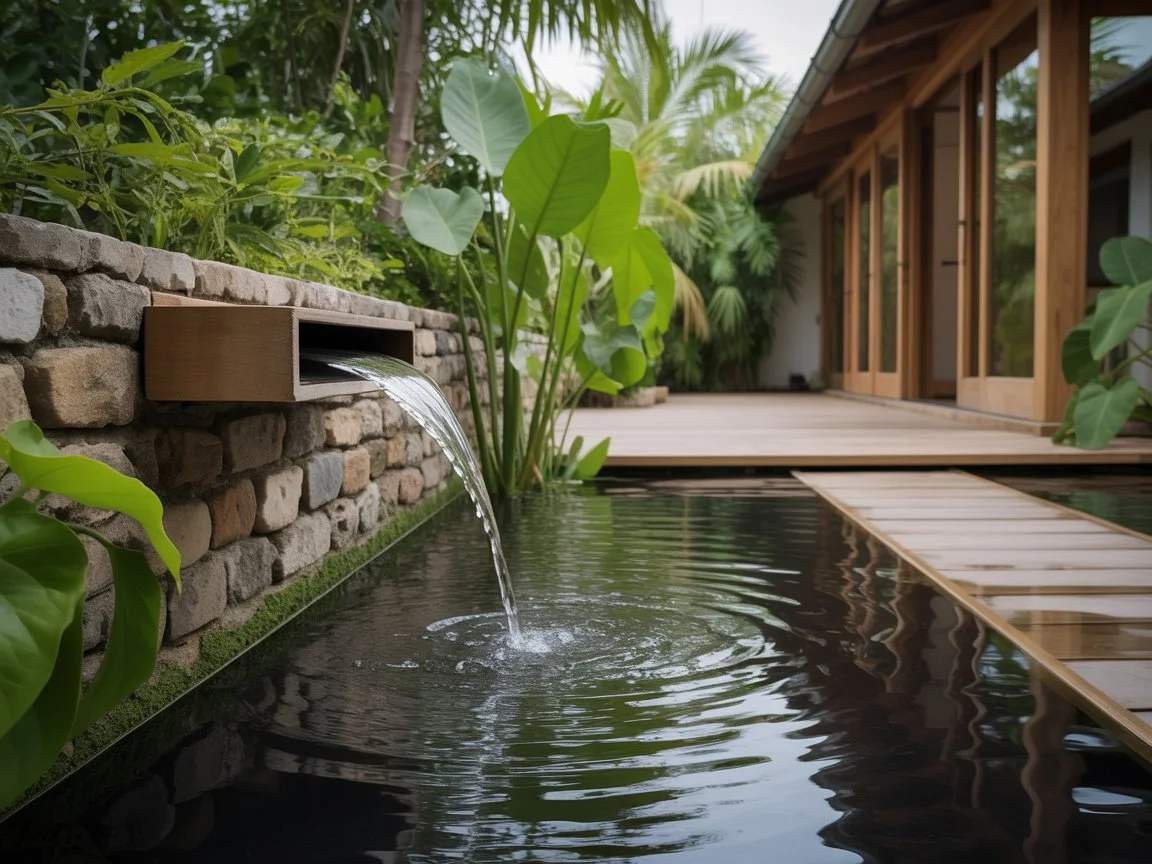
The House That Senses proposes a different understanding of what a home can be. Rather than a static enclosure, it presents domestic space as a living system shaped by material intelligence, environmental awareness, and human presence. Architecture here responds to nature through attention rather than control. Every decision begins with the land and returns to it.
At the core of the project lies a simple yet demanding premise. A house must feel before it shelters. It must register light, temperature, humidity, and seasonal change. It must acknowledge the rhythms of daily life and the slower cycles of soil, growth, and weather. This sensitivity defines the structure, the materials, and the spatial logic of the house.
Natural materials play a central role in this vision. Earth, Wood, Water, Metal, and the transformative role of Fire define how the house stands and breathes. These materials carry physical memory and environmental intelligence. They regulate temperature through mass and porosity. They shape acoustics through texture. They register time through ageing rather than resisting it. In doing so, the house becomes attuned to its surroundings rather than sealed off from them.
Wood contributes warmth and elasticity, offering both structural clarity and sensory comfort. Earth and stone ground the house physically and symbolically, stabilising interior climates while anchoring the building within its geological context. Water participates through collection, cooling, and reflection. Metal provides precision and durability where structure demands it. Fire, present through material processes rather than spectacle, ensures permanence through transformation. Together, these elements create architecture that responds rather than reacts.
Around each house, a permaculture garden extends this relationship with nature beyond walls. The landscape functions as an edible and regenerative system that supports the household while restoring the land. Vegetables, fruit trees, herbs, and soil work together as an ecosystem shaped by care and patience. The garden supports food autonomy while enriching biodiversity. It becomes part of daily life rather than a decorative frame.
This cultivated landscape influences the architecture itself. Orientation, openings, and circulation respond to planting cycles, sunlight, and water flow. The house acknowledges that living space extends outward into soil and air. Domestic life unfolds between interior and exterior with continuity and purpose.
The House That Senses also addresses the evolving role of technology in domestic environments. Here, intelligent systems serve awareness rather than distraction. Sensors and automation assist in managing water use, energy flow, indoor climate, and maintenance. These tools reduce manual labour while allowing inhabitants to focus attention on living, growing, and caring.
Such systems support a paradox that defines contemporary sustainable living. Through careful automation, daily routines become simpler, quieter, and more efficient. Time and attention return to activities rooted in nature rather than screens. Technology, when used with restraint, allows deeper engagement with physical life rather than separation from it.
This approach acknowledges that sustainability requires both ancient knowledge and contemporary tools. Natural materials connect architecture to long-standing building traditions rooted in place. Intelligent systems respond to present-day challenges of resource management and climate responsibility. Together, they form a balanced domestic ecology.
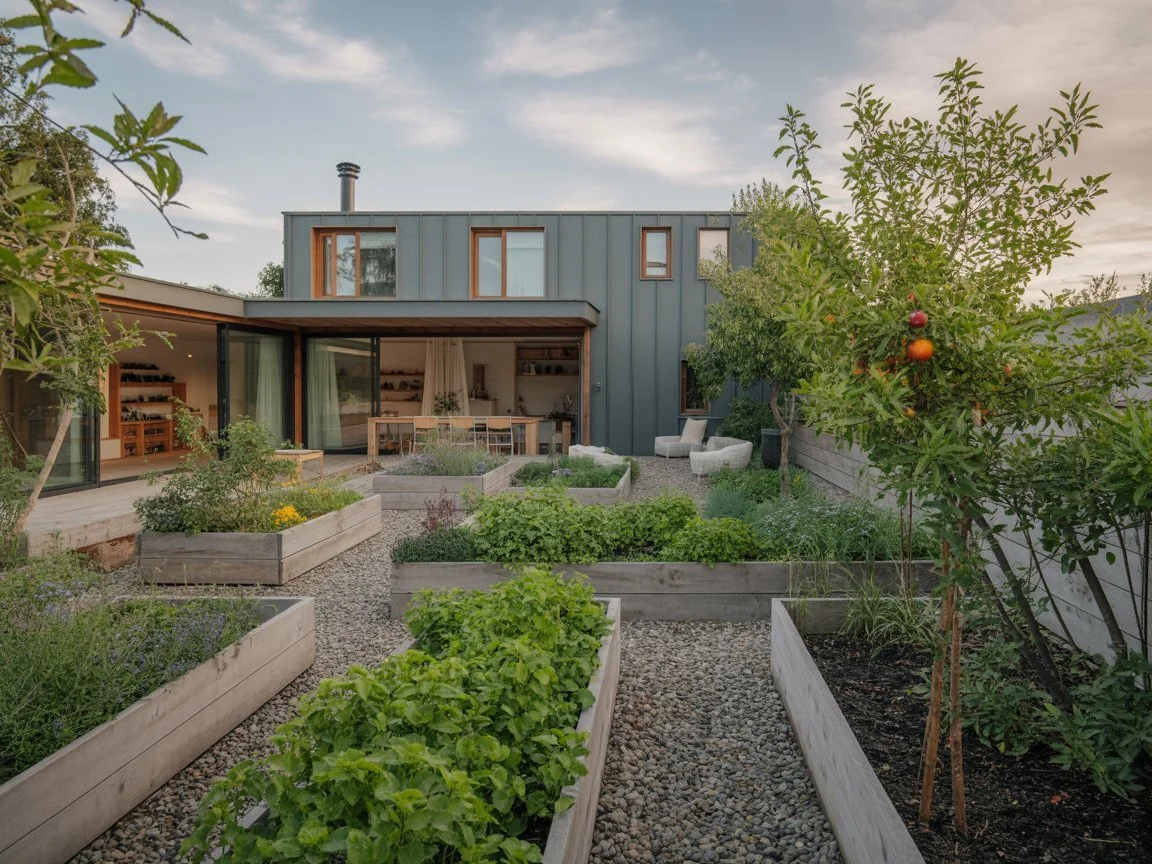
Architecture becomes a living system shaped by care.
The ambition of The House That Senses extends beyond a single building. It proposes a model that empowers individuals and families to participate actively in the creation of their own homes. By prioritising local resources, accessible construction methods, and clear design principles, the project supports autonomy without isolation.
Building becomes an act of learning rather than consumption. Inhabitants gain understanding of materials, energy, water, and land. This knowledge fosters responsibility and confidence. The home becomes a shared achievement shaped by collaboration rather than abstraction.
This approach carries social significance. As housing increasingly shifts toward standardisation and detachment from place, The House That Senses argues for specificity and care. Each site offers different conditions. Each family carries distinct rhythms. Architecture responds best when it listens to both.
The project also positions domestic space as a site of cultural evolution. Living closer to natural cycles alters perception of time, value, and comfort. The house supports slower rhythms without sacrificing contemporary needs. Comfort arises from balance rather than excess.
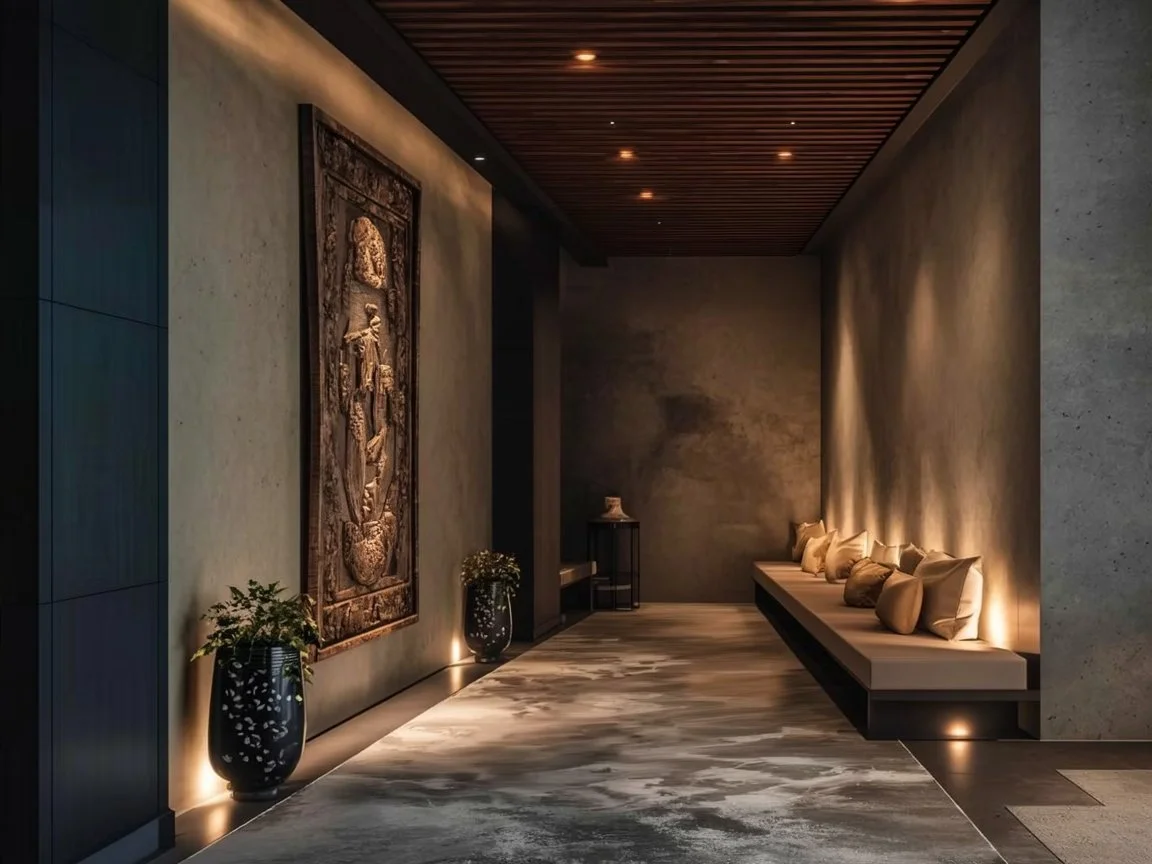
By aligning architecture, landscape, and technology, The House That Senses proposes a domestic future grounded in awareness. It reframes sustainability as an everyday practice rather than a slogan. Living becomes an active relationship with land, materials, and resources.
This vision invites participation. It suggests that housing can support ecological responsibility without sacrifice. It demonstrates that thoughtful design enables autonomy while fostering connection. More than a project, it signals a collective shift toward living environments that feel alive, attentive, and grounded.